Climate Adaptation: How Communities Are Building Resilience in a Changing World
Climate change is no longer a distant possibility — it is a present-day challenge affecting ecosystems, economies, and communities around the world. Rising temperatures, extreme floods, prolonged droughts, and stronger storms are becoming more frequent and severe. In response, governments, cities, and local communities are turning toward climate adaptation strategies to reduce vulnerability and build resilience.
Climate adaptation refers to actions that help societies adjust to the impacts of climate change, minimizing damage while enabling communities to continue functioning in a changing environment. While climate mitigation focuses on reducing greenhouse gas emissions, adaptation focuses on preparing for and responding to the climate impacts that are already unavoidable.
According to the Intergovernmental Panel on Climate Change, even if global emissions were drastically reduced today, many climate impacts will continue for decades due to the greenhouse gases already accumulated in the atmosphere. This reality makes adaptation not just important, but essential.
Across the world, communities are developing innovative solutions — from resilient infrastructure and climate-smart agriculture to nature-based flood protection systems. These strategies are redefining how societies prepare for environmental change while advancing broader sustainability goals.
Why Climate Adaptation Is Becoming Essential
Climate risks are intensifying across regions, affecting both developed and developing economies. Coastal cities face rising sea levels, agricultural regions confront unpredictable rainfall, and urban populations struggle with extreme heat waves.
The United Nations Environment Programme estimates that climate-related disasters have increased dramatically over the past five decades, causing trillions of dollars in economic losses. Adaptation investments are therefore becoming a core component of sustainable development strategies.
Adaptation efforts are particularly critical for vulnerable communities. Low-income regions often experience the greatest exposure to climate hazards despite contributing the least to global emissions. Strengthening resilience in these areas helps prevent humanitarian crises, protect livelihoods, and support long-term economic stability.
Adaptation also intersects with many broader sustainability challenges, including responsible production systems, green technology innovation, and ethical business practices. For example, understanding the difference between greenwashing and authentic sustainability commitments is essential for companies investing in climate solutions, as explored in our analysis of greenwashing vs genuine sustainability.
Climate-Resilient Infrastructure: Designing for Future Risks
One of the most visible forms of climate adaptation is climate-resilient infrastructure. Cities around the world are redesigning roads, buildings, water systems, and energy networks to withstand extreme weather conditions.
Coastal Protection and Flood Defense
Coastal regions face some of the most urgent climate threats due to rising sea levels and stronger storms. Cities such as Rotterdam have become global leaders in climate adaptation by investing in innovative flood management systems.
Rotterdam’s approach combines traditional engineering with urban design solutions, including:
- Floating buildings
- Water plazas that store rainwater during storms
- Expanded canal networks
- Adaptive flood barriers
These measures reduce flood risks while improving urban livability.
Nature-based infrastructure is also gaining attention. Coastal wetlands and mangrove forests absorb wave energy, reducing storm surge impacts while protecting biodiversity. Studies from the World Bank show that nature-based solutions can significantly reduce disaster damage costs while delivering environmental benefits.
Urban Flood Management
Cities experiencing intense rainfall events are redesigning drainage systems to handle higher water volumes.
Key strategies include:
- Permeable pavements that allow water to seep into the ground
- Rain gardens and bioswales that filter stormwater naturally
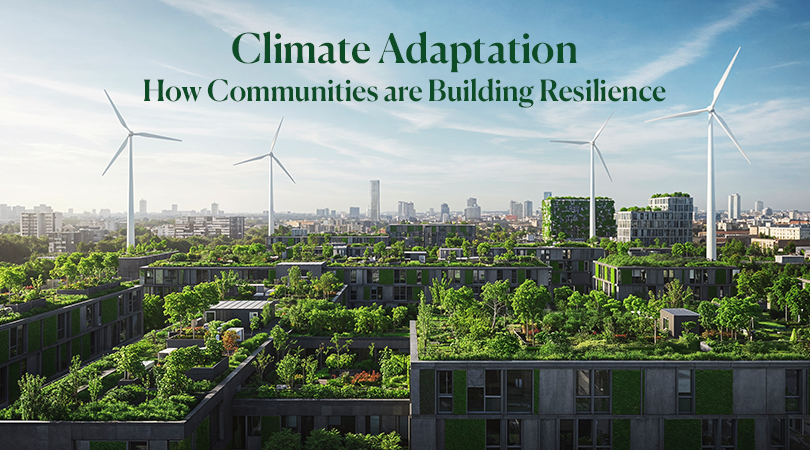
- Green roofs that absorb rainfall and reduce runoff
These approaches transform urban landscapes into water-absorbing ecosystems, reducing pressure on conventional sewer systems.
Urban resilience is also connected to broader sustainability innovation. For instance, emerging technologies in sustainable tech innovations are helping cities monitor climate risks and optimize resource use.
Water Security in a Warming Climate
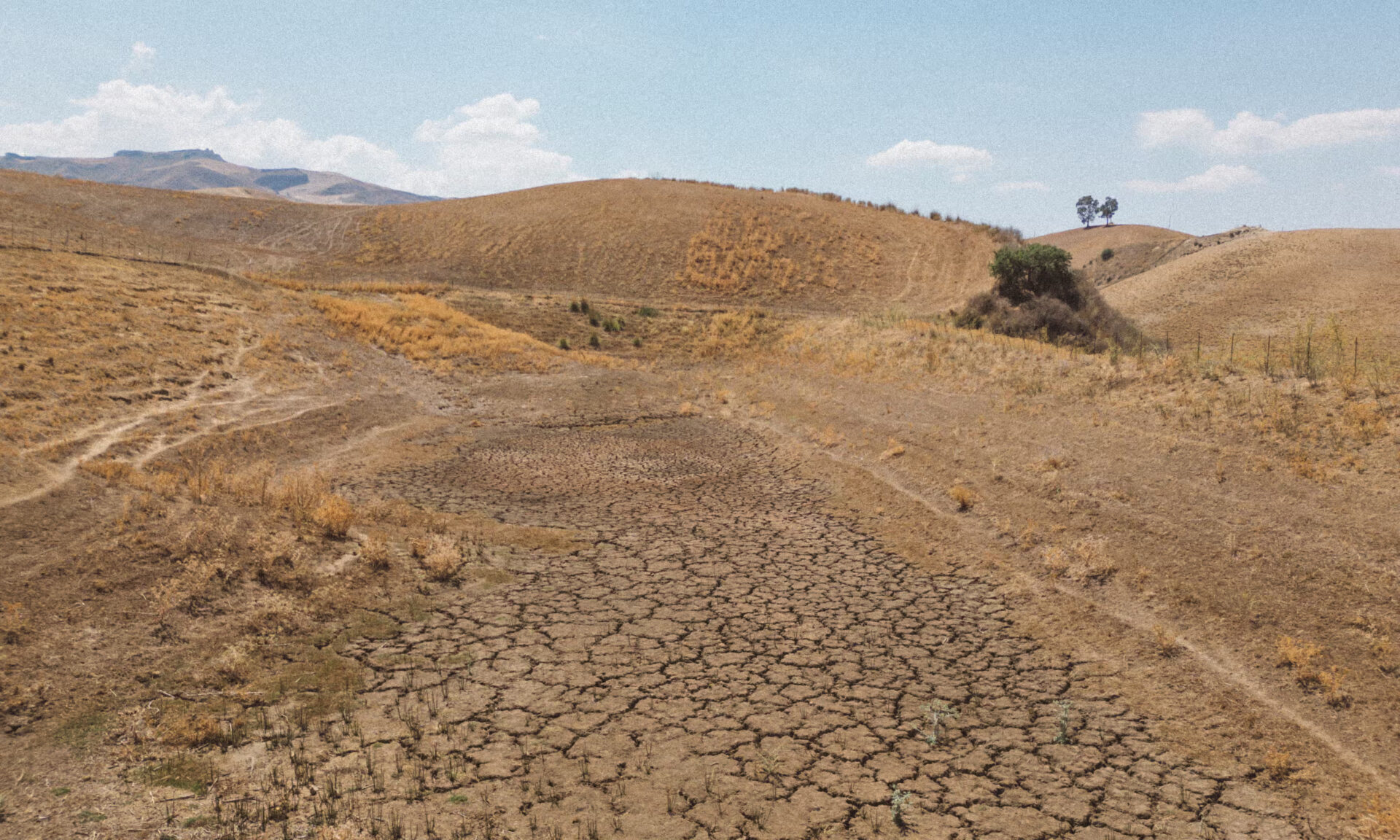
Water availability is becoming one of the most critical adaptation challenges. Changing precipitation patterns are increasing drought risk in many regions while intensifying floods in others.
Communities are adopting new water management strategies such as:
- Rainwater harvesting
- Wastewater recycling
- Smart irrigation systems
- Aquifer recharge projects
Drip irrigation technology is particularly transformative for agriculture. By delivering water directly to plant roots, drip systems can reduce water consumption by up to 50% compared to traditional irrigation methods.
Water security also supports broader environmental goals, including sustainable production and responsible resource management. Many companies developing eco-friendly products are increasingly prioritizing water efficiency in their supply chains.
Climate-Smart Agriculture and Food Security
Agriculture is one of the sectors most exposed to climate variability. Rising temperatures, shifting rainfall patterns, and soil degradation threaten global food systems.
Climate adaptation strategies in agriculture include:
- Drought-resistant crop varieties
- Climate-smart irrigation systems
- Soil conservation techniques
- Agroforestry systems
Agroforestry — the practice of integrating trees with crops or livestock — improves soil fertility, increases carbon storage, and provides farmers with additional income sources.
In flood-prone regions like Bangladesh, farmers have developed floating agriculture systems using bamboo platforms covered with soil and compost. These floating gardens allow crops to grow even during seasonal floods, ensuring food security despite extreme weather.
Such innovations demonstrate how local communities can adapt traditional knowledge to modern climate challenges.
Community-Led Climate Resilience
While infrastructure projects play an important role, some of the most effective climate adaptation solutions come directly from communities themselves.
Local residents often possess deep environmental knowledge that helps identify practical solutions tailored to regional ecosystems.
Indigenous Knowledge and Climate Stewardship
Indigenous communities around the world have long practiced sustainable land management techniques that enhance ecosystem resilience. These include:
- Controlled burning to prevent wildfires
- Rotational farming systems
- Forest conservation practices
Combining traditional ecological knowledge with modern climate science can create powerful adaptation strategies that protect both communities and biodiversity.
Many social innovators are also driving climate resilience initiatives. Entrepreneurs focused on environmental impact — like those highlighted in social entrepreneurs fighting the environmental crisis — are developing technologies and business models that support sustainable development.
Early Warning Systems
In regions vulnerable to cyclones, floods, or heatwaves, early warning systems are a critical adaptation tool.
Modern early warning systems combine:
- Satellite monitoring
- Weather forecasting
- Mobile alerts
- Local emergency networks
These systems give communities time to evacuate, protect infrastructure, and secure essential supplies before disasters strike.
The World Meteorological Organization reports that effective early warning systems can reduce disaster-related mortality by up to 80%.
Urban Heat Adaptation: Cooling Cities Naturally
Extreme heat is becoming one of the fastest-growing climate risks in cities. Urban environments often experience the urban heat island effect, where buildings, roads, and limited vegetation trap heat and raise local temperatures.
Heat waves can have severe public health consequences, particularly for elderly populations and low-income communities.
Cities are adopting several strategies to reduce urban heat:
Expanding Urban Tree Canopies
Trees provide natural shade and reduce temperatures through evapotranspiration. Expanding tree cover can significantly lower urban temperatures while improving air quality.
Reflective and Cool Roof Materials
Light-colored roofing materials reflect sunlight rather than absorbing heat, reducing indoor temperatures and lowering energy demand for cooling.
Shaded Public Spaces
Designing shaded parks, walkways, and public transport stations improves comfort during heat waves while encouraging sustainable mobility.
Urban sustainability initiatives often integrate climate adaptation with broader environmental goals. For example, projects like Dubai Sustainable City demonstrate how renewable energy, green buildings, and urban design can create resilient communities.
Decentralized Renewable Energy for Resilience
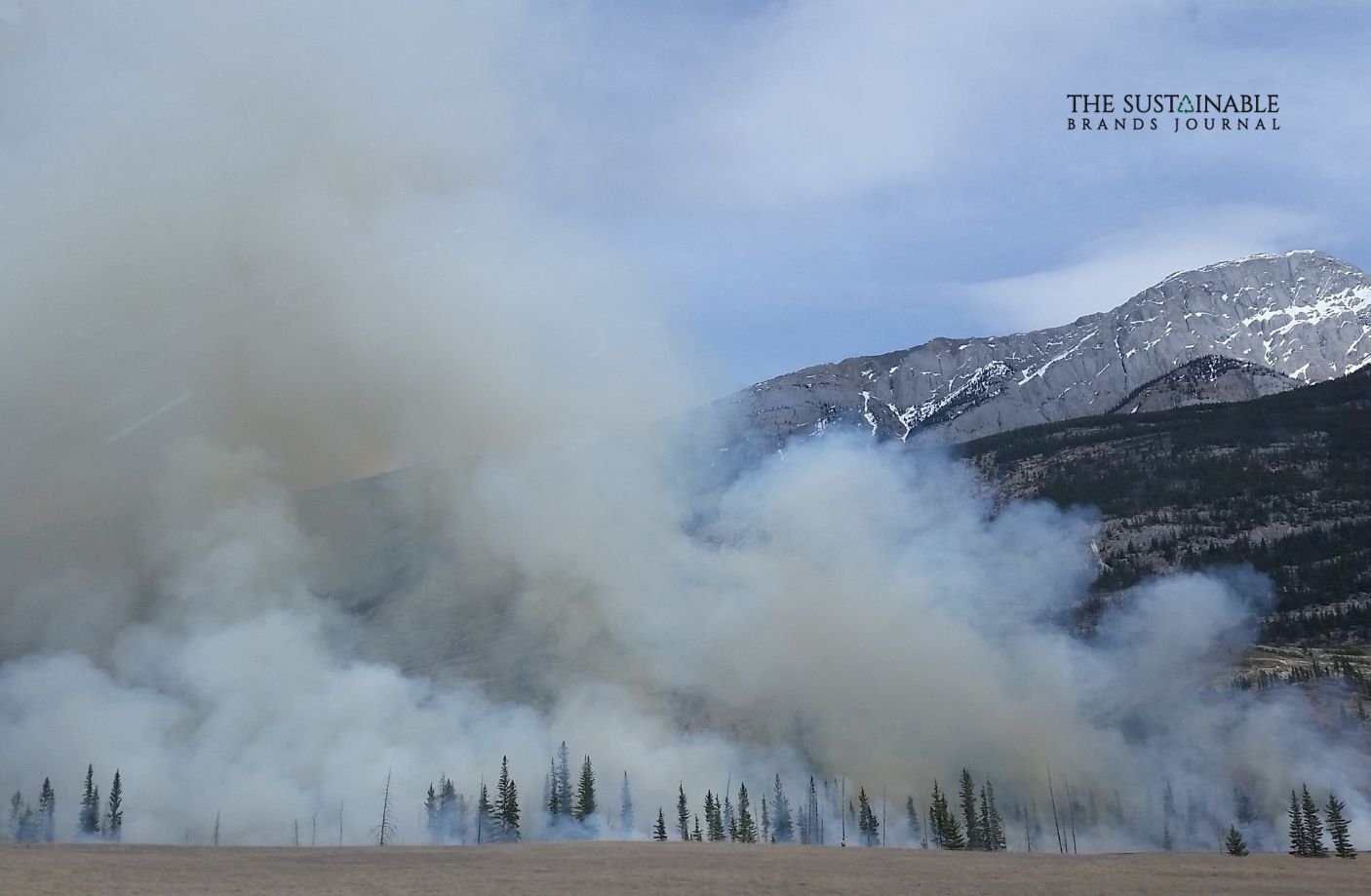
Energy systems are also vulnerable to climate disruptions. Storms, wildfires, and extreme heat can damage centralized power grids, leaving communities without electricity during emergencies.
To address this challenge, many regions are investing in decentralized renewable energy systems, including:
- Rooftop solar panels
- Community microgrids
- Battery energy storage
- Hybrid renewable systems
These decentralized systems provide backup power during grid failures while supporting the transition toward low-carbon energy.
Companies leading clean technology innovation — including firms like Tesla — are contributing to this transition by advancing battery storage and renewable energy technologies.
From Disaster Response to Climate Preparedness
Historically, disaster management focused on responding to crises after they occurred. Climate adaptation represents a shift toward proactive preparedness.
Rather than rebuilding after floods, storms, or heatwaves, adaptation strategies aim to design systems that withstand future climate shocks.
This shift involves integrating climate risk into:
- Urban planning
- Infrastructure investment
- Agricultural policy
- Corporate sustainability strategies
Companies and governments that fail to adapt may face serious economic and reputational risks. In industries under public scrutiny — such as aviation or heavy manufacturing — sustainability challenges can quickly escalate into broader environmental debates, as seen in discussions around major corporations like Boeing.
The Economic Case for Climate Adaptation
Investing in climate adaptation is not only environmentally responsible — it is economically smart.
Research from the Global Commission on Adaptation estimates that every $1 invested in climate resilience can generate up to $4 in economic benefits by preventing damage, protecting infrastructure, and maintaining productivity.
Adaptation investments can also create new economic opportunities, including:
- Green construction jobs
- Climate technology innovation
- Sustainable agriculture markets
- Ecosystem restoration projects
These emerging industries align with the broader shift toward sustainable business models and responsible production systems.
The Future of Climate Adaptation
As climate risks continue to grow, adaptation strategies will become increasingly integrated into global development policies.
Future adaptation efforts will likely focus on:
- AI-powered climate forecasting
- Smart water management systems
- Climate-resilient urban planning
- Nature-based infrastructure
At the same time, sustainability initiatives across industries — from fashion and footwear to consumer goods — will play a critical role in reducing environmental pressures while supporting adaptation.
For example, the rise of sustainable footwear brands and ethical fashion initiatives reflects growing awareness that climate solutions must extend beyond infrastructure to include sustainable consumption patterns.
Conclusion: Resilience as the New Sustainability Metric
Climate change is reshaping the world’s environmental and economic landscape. While reducing emissions remains critical, adaptation is equally essential for protecting communities already experiencing climate impacts.
By investing in resilient infrastructure, climate-smart agriculture, nature-based solutions, and community preparedness, societies can reduce vulnerability while creating more sustainable and equitable systems.
Climate adaptation does not eliminate risk entirely. However, it strengthens society’s ability to respond, recover, and thrive despite environmental change.
In a warming world, resilience is becoming the defining measure of sustainability.
FAQ: Climate Adaptation and Community Resilience
Climate adaptation refers to strategies and actions designed to reduce vulnerability to climate change impacts such as floods, droughts, rising temperatures, and sea-level rise.
Even if global emissions decline, existing greenhouse gases will continue affecting the climate for decades. Adaptation helps communities prepare for these unavoidable impacts.
Flood-resistant infrastructure
Drought-tolerant crops
Urban green spaces to reduce heat
Early warning systems for disasters
Coastal wetlands restoration
Mitigation: reducing greenhouse gas emissions
Adaptation: adjusting systems to cope with climate impacts