10 Essential Tips to Create a Sustainable Wardrobe with Ethical Clothes
Building a sustainable wardrobe isn’t about throwing everything out and starting over — it’s about making smarter, more intentional choices that reduce waste and support ethical fashion practices. In a world dominated by fast fashion and overconsumption, choosing quality over quantity and investing in ethically made clothing can significantly lower your environmental footprint.
From understanding fabric sourcing to supporting fair labor practices, creating a sustainable wardrobe empowers you to align your style with your values — without compromising on creativity or comfort.
Building Your Sustainable Wardrobe
Keep, Sell, or Donate – Make Your Wardrobe Work
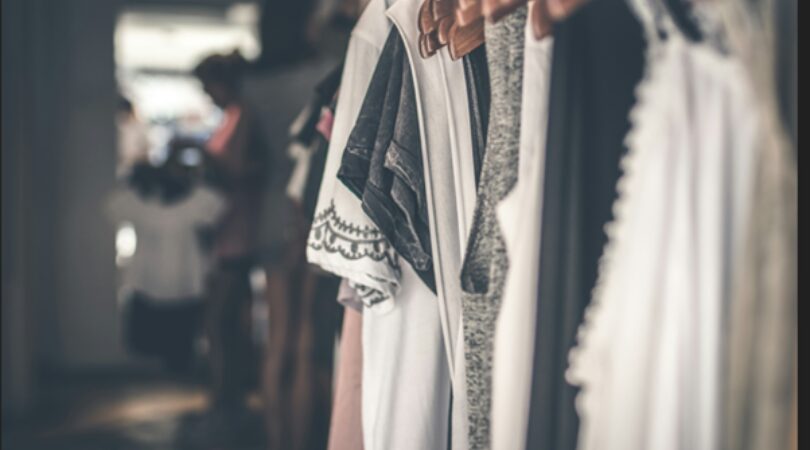
Look at your closet. Really look. You probably have clothes you wear all the time—and others just taking up space. Time for a reset.
Sort your wardrobe into three piles:
✅ Keep what you love and actually wear.
💰 Sell what’s in great condition but no longer your style.
🎁 Donate what’s still good but doesn’t spark joy.
This simple step keeps your closet clutter-free, helps others, and (bonus!) makes you think twice before impulse-buying that neon sweater you’ll never wear.
How to Recycle Unwanted Clothing
Throwing clothes in the trash? Nope. Not happening.
Textiles don’t belong in landfills. Many communities have textile recycling programs—find one near you. Those old jeans? They could be turned into insulation. That worn-out tee? Repurposed into cleaning rags.
Recycling keeps fashion in the loop instead of adding to waste. So, before you toss anything, ask: Can it be recycled? Because the planet deserves better than a landfill full of fast fashion regrets.
Tips for Reselling Secondhand Items
Selling secondhand clothes is a win-win. Less waste, more cash in your pocket.
🧼 First rule: Make sure they’re clean. No one wants a mystery stain.
📸 Second: Good photos. Natural light. No blurry shots.
📝 Third: Write a solid description. Brand, size, condition—keep it honest.
Reselling isn’t just about money—it’s about giving clothes a second life. Plus, you might just help someone find their new favorite outfit.
Maintaining a Sustainable Wardrobe
Washing Your Clothes: Eco-Friendly Practices
Wash less. Seriously.
Overwashing wears out your clothes and wastes energy. Unless it’s truly dirty, give it another wear. When you do wash, go cold. Saves energy, protects fabric.
Skip the dryer when you can—air drying is gentler and slashes carbon emissions. Small habits, big impact
Tailoring and Mending for Longevity
A missing button isn’t the end of the world. Neither is a tiny hole.
Basic mending skills? Game changer. Learn to sew on a button. Patch up small rips. Instead of tossing that favorite shirt, fix it. Keeps clothes in play for years.
Your wallet and the planet will thank you.
Finding Sustainable Fashion That Fits Your Values
Spotting Oeko-Tex Certified Products
Sustainable shopping doesn’t have to be a guessing game.
Look for Oeko-Tex labels—this means the fabric is free from harmful chemicals. No toxins, no sketchy dyes. Just safe, eco-friendly clothing.
Next time you shop, check the tags. Easy win.
Choosing Brands That Do Good
Not all brands care about sustainability. But some do.
The good ones are transparent—they tell you where their fabrics come from, how they treat workers, and what they’re doing to reduce waste. Look for Fair Trade, GOTS, or B Corp certifications.
If you’re looking for sustainable clothing that aligns with eco-conscious values, choosing brands that prioritize ethical sourcing is a great step forward. Your money has power—spend it wisely.
Shopping Local & Sustainable
Want to support sustainability and small businesses? Buy local.
Many artisans and indie brands create beautiful, eco-friendly fashion right in your city. Less shipping. Less waste. More unique pieces that tell a story.
Plus, nothing beats the charm of a handcrafted, one-of-a-kind piece.
Making Your Wardrobe Last Longer
Buy Less, Choose Better
Impulse shopping? We’ve all been there. But here’s the thing—quality beats quantity.
Invest in well-made staples like a sustainable polo shirt that lasts beyond just a few washes. A solid blazer, timeless jeans, and a neutral tee—pieces that mix well and don’t fall apart after three washes.
A good wardrobe isn’t about owning more. It’s about owning better.
Making Fashion a Green Lifestyle
Sustainability isn’t about being perfect. It’s about making better choices.
♻️ Choose recycled or organic fabrics.
🌊 Wash in cold water.
🪡 Repair instead of replace.
These small changes? They add up. And before you know it, your wardrobe isn’t just stylish—it’s a force for good.
Sustainable fashion isn’t complicated. It’s just thoughtful choices. And the best part? You’ll look good, feel good, and do good—all at the same time.
Start by auditing your current closet, keeping versatile pieces you love, and avoiding impulse purchases. Choose brands that use sustainable fabrics, transparent supply chains, and fair wages for workers.
Look for organic cotton, linen, hemp, TENCEL™, recycled polyester, and responsibly sourced wool. These materials typically have a lower environmental impact compared to conventional synthetic fabrics.
Fast fashion contributes to textile waste, excessive water consumption, carbon emissions, and poor labor conditions. Cheap, low-quality garments often end up in landfills after only a few wears.
A sustainable wardrobe focuses on high-quality, long-lasting clothing made with eco-friendly materials and ethical labor practices. It prioritizes durability, versatility, and mindful consumption over fast fashion trends.