How Biodegradable Packaging Is Transforming Retail (With Examples & Benefits)
Retail is changing, and packaging is at the center of this transformation. As consumers become more conscious about their environmental impact, brands are shifting from traditional plastic to biodegradable packaging and other sustainable packaging solutions. What was once a trend is now a business necessity, especially for retail and eCommerce brands looking to stay relevant in 2026 and beyond.
What is Biodegradable Packaging?
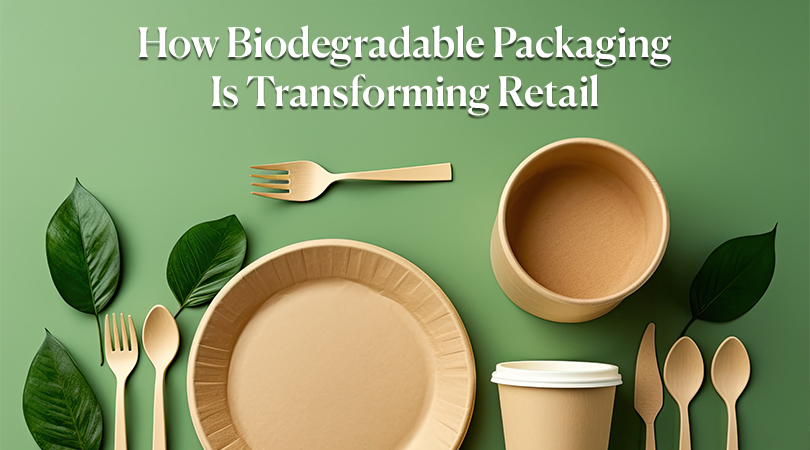
Biodegradable packaging refers to materials that naturally break down into organic elements like water, carbon dioxide, and biomass with the help of microorganisms. Unlike conventional plastic, which can take hundreds of years to decompose, eco-friendly packaging made from paper, plant fibers, cornstarch, or bagasse decomposes much faster and leaves minimal environmental impact.
Many retailers are also adopting compostable packaging, which breaks down completely under composting conditions, making it one of the most effective green packaging solutions available today.
Why Retailers Are Switching to Sustainable Packaging
The shift toward biodegradable packaging for retail is driven by both environmental responsibility and business benefits.
1. Growing Consumer Demand
Today’s shoppers prefer brands that care about the planet. Studies show that customers are more likely to choose products with sustainable retail packaging, even if it costs slightly more.
2. Reduced Environmental Impact
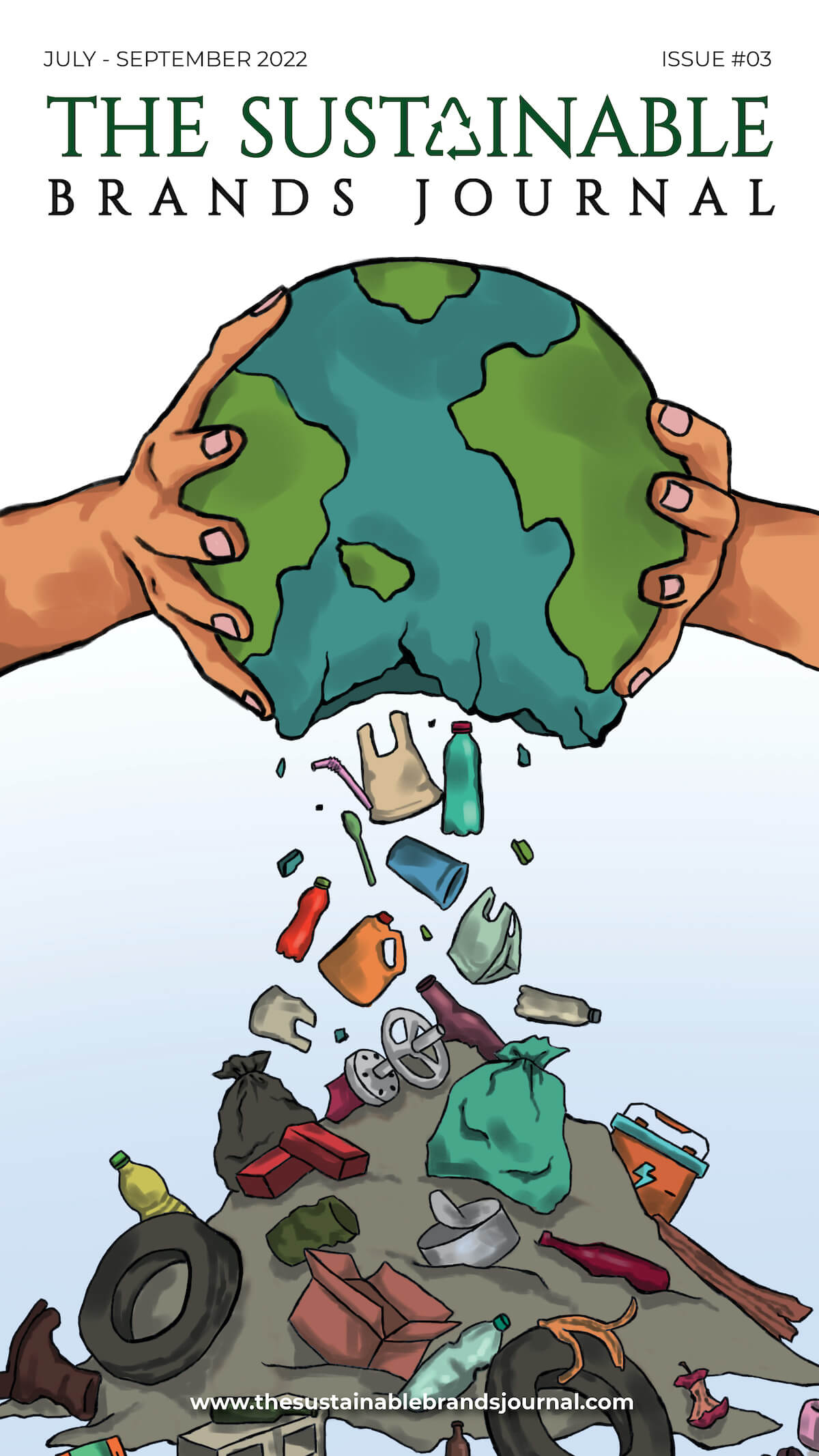
Traditional plastic contributes significantly to landfill waste and ocean pollution. Switching to plastic alternatives for packaging helps reduce a brand’s carbon footprint and supports a circular economy.
3. Stronger Brand Image
Using eco-friendly packaging for eCommerce businesses not only protects the environment but also enhances brand perception. Sustainable packaging communicates responsibility, transparency, and long-term vision.
4. Future-Proofing the Business
With stricter environmental regulations emerging worldwide, adopting sustainable packaging materials now helps retailers stay ahead of compliance requirements.
Examples of Biodegradable Packaging in Retail
Many brands are already leading the way with innovative solutions:
- Paper-based mailers replacing plastic courier bags in eCommerce.
- Mushroom packaging used for protective cushioning instead of thermocol.
- Cornstarch-based biodegradable plastic packaging for shopping bags.
- Bagasse containers for food and takeaway packaging.
- Recycled kraft boxes for fashion, jewelry, and lifestyle products.
These examples show that sustainable packaging solutions for retail brands can be practical, cost-effective, and aesthetically appealing.
Biodegradable Packaging vs Plastic
The biggest difference lies in environmental impact. While plastic takes centuries to decompose and often breaks down into harmful microplastics, biodegradable materials return safely to nature. For retailers, this shift reduces waste, improves sustainability metrics, and aligns with consumer expectations.
Biodegradable Packaging Trends for 2026
The future of sustainable packaging is innovation-driven. Key trends include:
- Minimalist packaging to reduce material usage
- Plant-based and compostable materials
- Smart packaging that tracks environmental impact
- Custom eco-friendly designs for brand storytelling
As sustainability becomes a competitive advantage, retailers that invest early will stand out.
How Biodegradable Packaging Helps the Environment
By reducing landfill waste, lowering carbon emissions, and minimizing plastic pollution, biodegradable packaging plays a critical role in protecting ecosystems. For retailers, it’s more than an operational change, it’s a step toward responsible growth.
The Bottom Line
The transition to biodegradable packaging is no longer optional, it’s a strategic move toward a sustainable future. For modern retailers, adopting eco-friendly packaging means meeting customer expectations, strengthening brand value, and contributing to a healthier planet.
In the evolving retail landscape, sustainability isn’t just good for the environment, it’s good for business.