
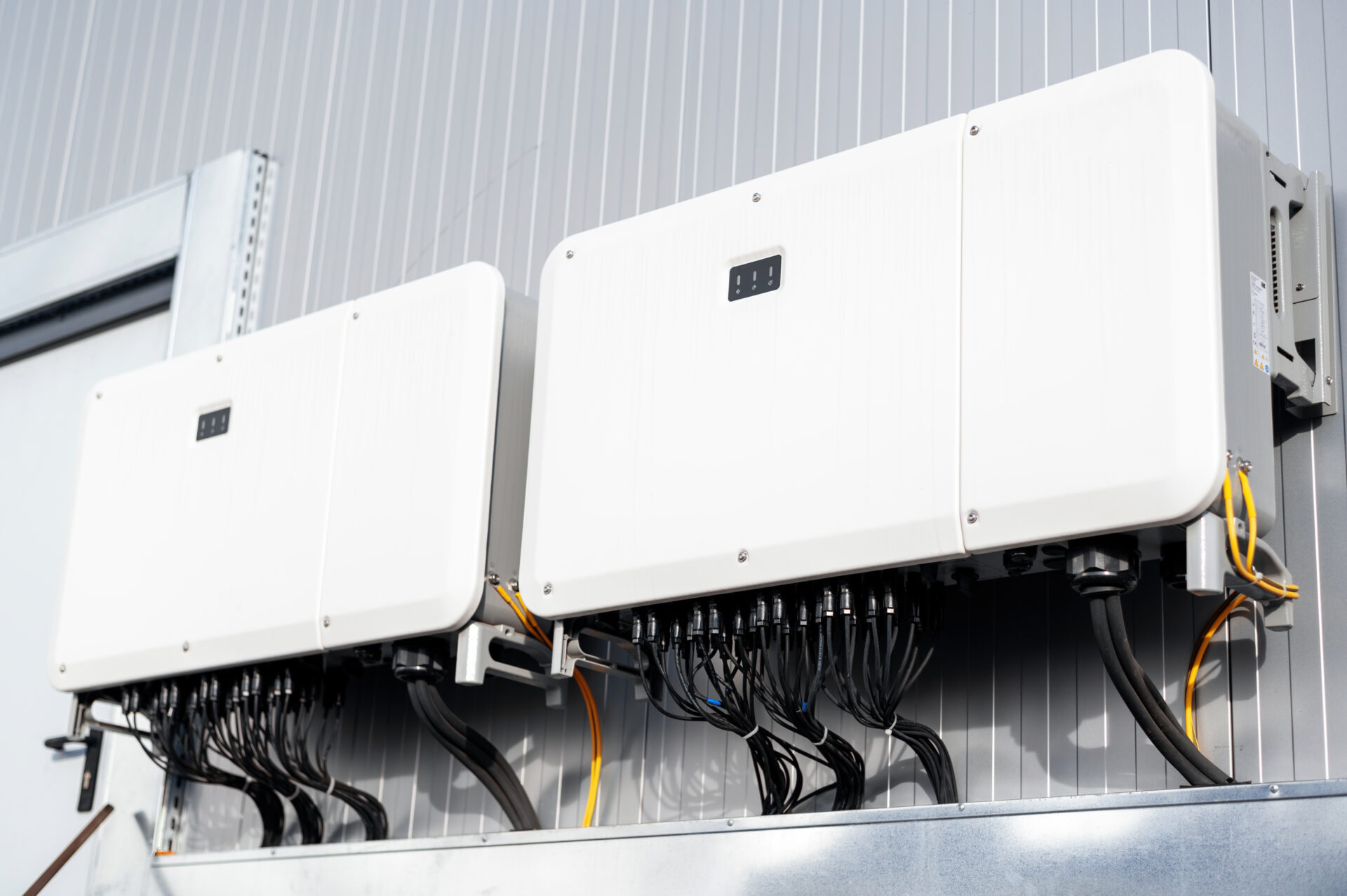
Hybrid Inverters Explained: The Missing Link Between Solar Power and Grid Stability
As solar adoption grows worldwide, a new challenge is becoming impossible to ignore: solar power alone does not solve grid instability. Power cuts, fluctuating supply, and increasing demand have exposed a critical gap in renewable energy systems.
This is where the hybrid inverter comes in.
A hybrid inverter acts as the bridge between solar panels, batteries, and the electricity grid, making renewable energy reliable, flexible, and usable even during outages. For anyone serious about sustainability, energy independence, and climate resilience, understanding hybrid inverters is no longer optional.
What Is a Hybrid Inverter?
A hybrid inverter is an advanced power management device that combines the functions of:
- A solar inverter
- A battery inverter
- A grid-tied system
In simple terms, it allows you to:
- Use solar power directly
- Store excess energy in batteries
- Draw power from the grid when needed
- Supply backup power during outages
All through one intelligent system.
How a Hybrid Solar Inverter Works
A hybrid solar inverter continuously decides the best source of power based on availability and demand.
Energy Flow Explained:
- Solar panels generate electricity during the day
- Power is first used for real-time consumption
- Excess energy charges the battery
- Any remaining power is exported to the grid
- At night or during outages, stored energy is used
This dynamic energy flow is what makes hybrid inverters a cornerstone of modern renewable energy storage.
Hybrid Inverter vs Normal Inverter: Key Differences
| Feature | Normal Solar Inverter | Hybrid Inverter |
|---|---|---|
| Battery compatibility | ❌ No | ✅ Yes |
| Power during grid outage | ❌ No | ✅ Yes |
| Energy storage | ❌ Not supported | ✅ Built-in |
| Grid flexibility | Limited | High |
| Sustainability impact | Moderate | High |
Key takeaway:
A normal inverter supports solar generation.
A hybrid inverter supports energy resilience.
Why Hybrid Inverters Matter for Sustainability
1. They Reduce Grid Dependence
Decentralized energy systems reduce pressure on fossil-fuel-heavy grids, especially during peak demand.
2. They Maximize Renewable Energy Usage
Without batteries, excess solar energy is often wasted. Hybrid inverters ensure clean energy is stored and reused, not lost.
3. They Improve Climate Resilience
Extreme weather events are increasing power outages globally. Hybrid inverters provide energy security without diesel generators.
Real-World Example
In regions with unstable grids, businesses using hybrid inverter + solar battery systems report:
- Up to 60–80% reduction in grid electricity usage
- Near-zero downtime during outages
- Lower long-term energy costs despite higher upfront investment
For sustainability-focused SMEs, this translates to both carbon reduction and operational reliability.
Are Hybrid Inverters Worth It?
Pros:
- Supports full solar + battery integration
- Future-ready for rising electricity costs
- Enables energy independence
- Improves ESG and sustainability credentials
Cons:
- Higher upfront cost than standard inverters
- Requires compatible battery systems
From a sustainability perspective:
Hybrid inverters offer long-term climate and cost benefits, especially when paired with renewable energy goals.
Hybrid Inverters and the Clean Energy Transition
Hybrid inverters play a critical role in:
- Net zero buildings
- Smart grids
- Microgrids and community solar
- Renewable energy storage expansion
As countries push for net zero carbon goals, energy storage is no longer optional — and hybrid inverters are at the center of this shift.
Key Takeaway
Solar power without storage is incomplete.
A hybrid inverter transforms solar energy from an intermittent source into a reliable, climate-ready power system. For households, businesses, and policymakers, hybrid inverters represent a practical step toward a decentralized, resilient, and sustainable energy future.
FAQs
A hybrid inverter manages solar power, battery storage, and grid electricity in one system, ensuring continuous power supply.
Yes, but its full benefits are realized when paired with a solar battery system.
Yes. It maximizes renewable energy use, reduces fossil fuel dependence, and supports grid stability.