The Blueprint for a Better World: How a Circular Economy is Rebuilding Construction
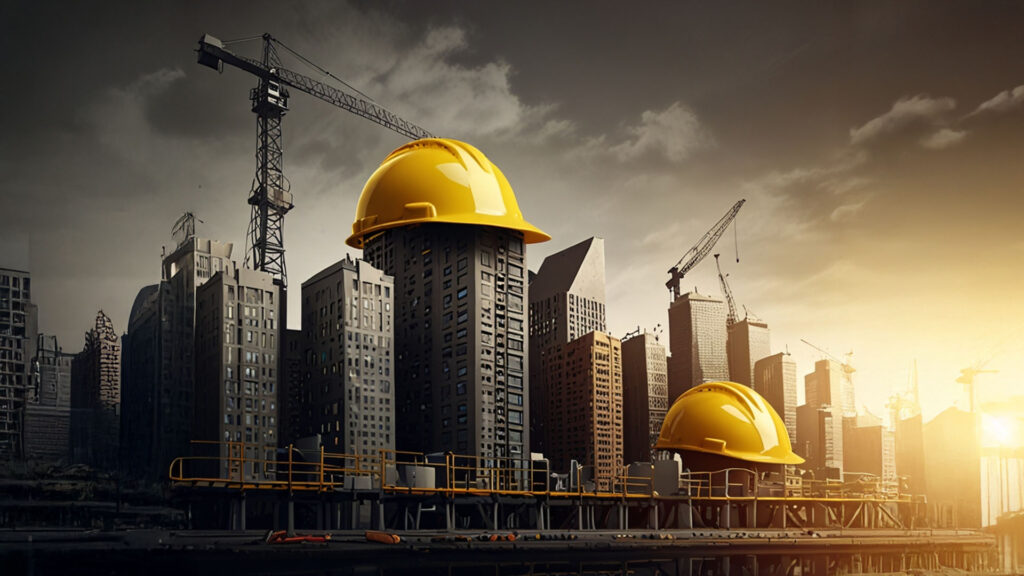
Walk onto any construction site, and you’ll likely see something unsettling: a massive pile of waste. It’s a scene repeated all over the world, but it doesn’t have to be this way. The truth is, the construction industry, a cornerstone of global development, has a serious waste problem. But what if we told you there’s a revolutionary new model, the circular economy that’s changing everything, one brick and beam at a time?
This isn’t just about being “green” for the sake of it. It’s a fundamental shift in how we build, driven by smart design, innovative technology, and a massive opportunity for both the planet and your bottom line.
The Wasteful Reality of a Linear System
For decades, the construction industry has operated on a linear “take-make-dispose” model. We extract raw materials from the earth, use them to build structures, and then, at the end of a building’s life, we demolish it and send the debris to a landfill. The numbers are frankly staggering.
Globally, the construction and demolition sector produces over two billion tonnes of waste every single year, with some estimates suggesting it accounts for as much as one-third of the world’s total waste. In the UK, the industry generates 62% of the country’s waste, and a concerning 32% of all waste sent to landfills comes from construction. Think about that for a moment: almost a third of all the rubbish we bury comes from an industry that can, and should, be doing so much better.
This linear model isn’t just inefficient; it’s also incredibly resource-intensive. The industry consumes over 40% of the world’s raw materials, and the environmental impact doesn’t stop there. The production of materials like concrete and steel is responsible for a significant portion of global greenhouse gas emissions.
The Circular Solution: Building for the Future
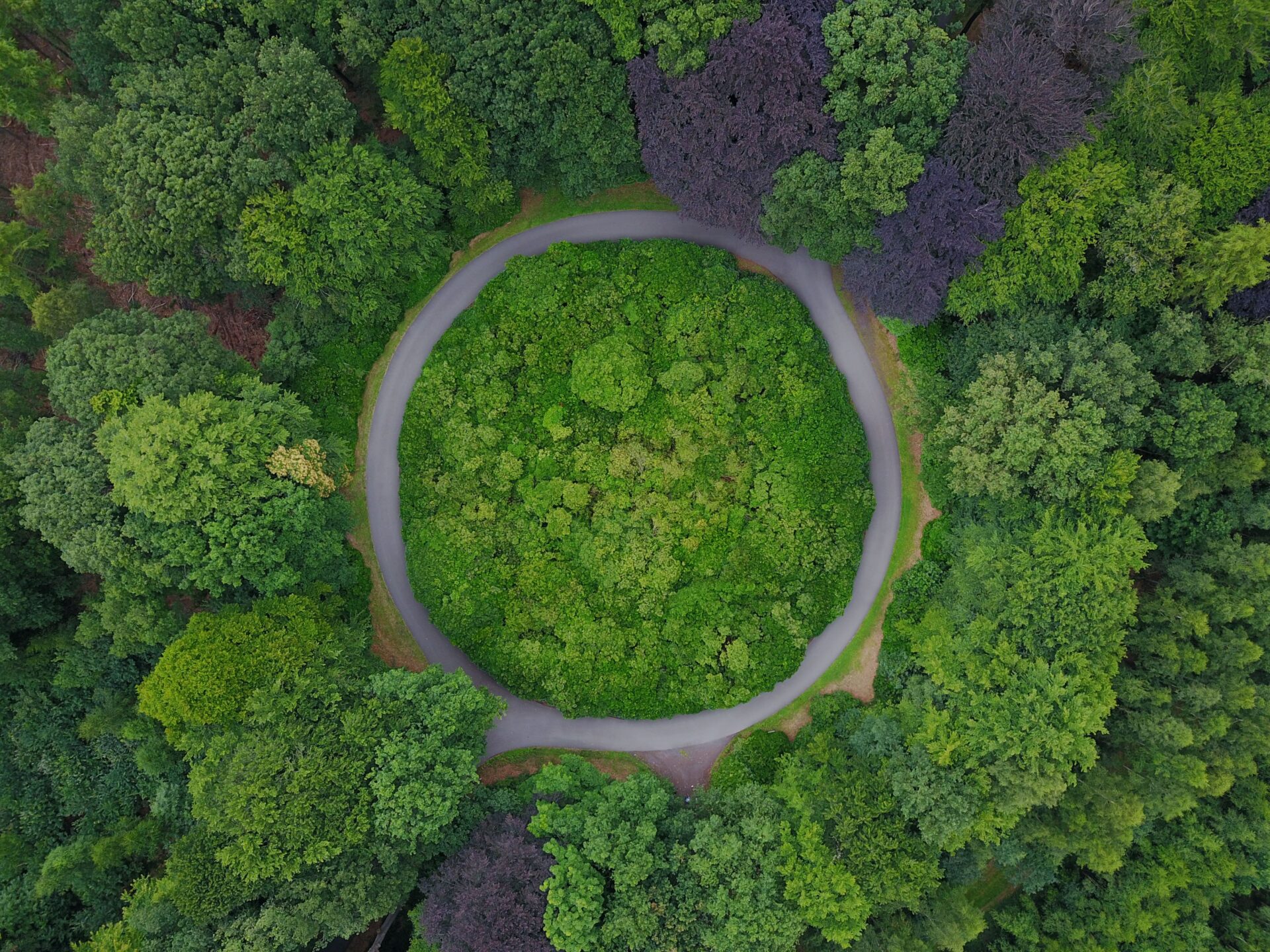
The circular economy offers a powerful alternative. Instead of throwing things away, it’s a framework that prioritizes designing out waste and pollution, keeping products and materials in use, and regenerating natural systems.
In construction, this means shifting the entire mindset from “building to last” to “building to be reused.” The principles are surprisingly straightforward:
- Design for Disassembly: Buildings are designed from the start with the end in mind. Components are connected with bolts instead of welds, and materials are labeled to make it easy to take them apart and reuse them later.
- Material Reuse and Recycling: This is the heart of the circular model. Instead of demolishing an old building, it’s carefully deconstructed to salvage valuable materials like reclaimed wood, bricks, and steel. Did you know that steel is 100% recyclable without losing its strength?
- Using Recycled Content: When new materials are needed, we prioritize those made from recycled content, like recycled concrete aggregates (RCA) or building products made from recycled plastic. This reduces the need for new material extraction.
A Win-Win for the Planet and Your Wallet
The biggest myth about sustainable construction is that it’s more expensive. The data tells a different story.
One of the most significant benefits of adopting a circular economy is the cost savings. By reusing and recycling materials, companies can drastically reduce their expenses on new raw materials, transportation, and waste disposal. Studies have shown that using recycled concrete and asphalt can save about 25% on material costs. Beyond that, the U.S. Environmental Protection Agency’s 2016 report revealed that recycling construction materials created 175,000 jobs in 2012 alone, showing the economic engine behind this sustainable shift.
Beyond the immediate financial benefits, circular construction practices lead to a lower carbon footprint. The process of producing new materials is incredibly energy-intensive. For example, using recycled materials requires significantly less energy than producing new ones from scratch. This helps the industry chip away at the fact that it’s responsible for a large share of global carbon dioxide emissions.
From Vision to Reality: Real-World Examples
This isn’t just a theoretical concept. Forward-thinking companies and governments are already putting these ideas into practice.
The K118 Kopfbau Halle in Switzerland is a prime example. The project added three new floors to an old warehouse using locally sourced salvaged steel beams. This single decision resulted in an estimated 60% reduction in greenhouse gas emissions compared to using all new materials. Another notable project, the People’s Pavilion in the Netherlands, was built almost entirely from borrowed materials that were returned after the structure’s use, showcasing a radical new business model.
As cities like Amsterdam begin to incorporate circular principles into their urban planning, and digital tools like Building Information Modeling (BIM) become more widespread, we are seeing the beginning of a true transformation. The future of construction isn’t about building bigger, but about building smarter and more sustainably.
So, the next time you see a construction site, think about the waste and then think about the potential. The blueprint for a better world is already being drawn, and it’s a circle.