The Future of Sustainable Construction: Low-Carbon Materials, Green Buildings & Competitive Brand Advantage
The global construction and building sector accounts for approximately 37–40% of energy-related CO₂ emissions, making it one of the largest contributors to climate change. As climate regulations tighten and clients become more environmentally conscious, sustainable construction is no longer a trend—it’s a necessity.
From low-carbon building materials to green building design and AI-powered construction technologies, the industry is undergoing a fundamental shift. Builders, developers, and construction brands that adapt early are gaining not just environmental benefits—but also long-term cost savings, regulatory compliance, and brand trust.
This guide explains:
- Construction’s carbon footprint
- What low-carbon materials are and why they matter
- How green buildings reduce costs and emissions
- Why sustainability is now a business and brand advantage
- The role of BIM, AI, and innovation in sustainable construction
Construction’s Carbon Footprint Explained
Traditional construction relies heavily on cement, steel, and energy-intensive manufacturing processes, which require high-temperature fossil fuel combustion. As a result:
- Cement and steel alone contribute ~13–15% of global CO₂ emissions
- The buildings sector accounts for 36% of global energy consumption
- Operational emissions (heating, cooling, lighting) persist for decades after construction
Beyond emissions, conventional construction also causes:
- Air and noise pollution
- Habitat destruction
- Excessive material waste
- Dependence on non-renewable energy sources
Rapid urbanisation further amplifies these challenges, often prioritising speed over sustainability. Understanding and reducing construction’s carbon footprint is now a strategic responsibility for the industry.
Low-Carbon Materials: What They Are and Why They Matter
Low-carbon construction materials are designed to significantly reduce greenhouse gas emissions during production, transportation, and usage—without compromising strength or durability.
Common Low-Carbon Building Materials
- Low-carbon or green concrete
- Recycled steel and aluminium
- Engineered timber and cross-laminated timber (CLT)
- Recycled aggregates and industrial by-products
- Bio-based and locally sourced materials
Key Benefits
- Lower embodied carbon in buildings
- Reduced reliance on fossil fuels
- Comparable structural performance to traditional materials
- Improved ESG and sustainability compliance
By integrating low-carbon materials early in the design phase, builders can cut lifecycle emissions while maintaining performance and safety standards.
Green Buildings and Sustainable Design: Beyond Energy Savings
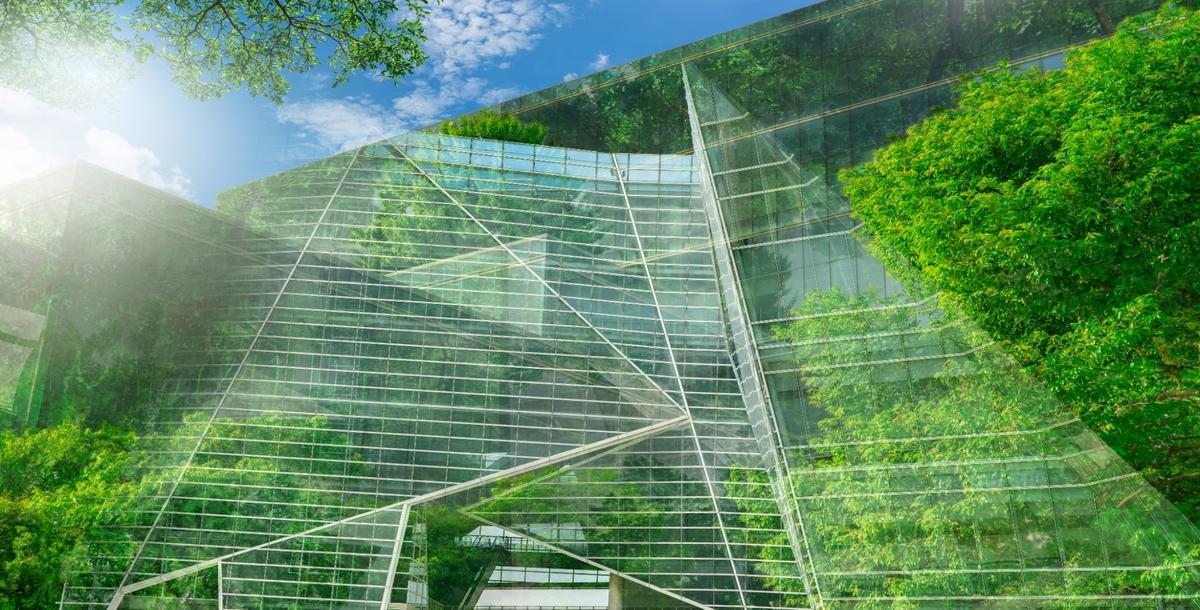
Green buildings are designed to optimise energy, water, and material efficiency across their entire lifecycle—from construction to operation and eventual reuse.
Key Features of Green Buildings
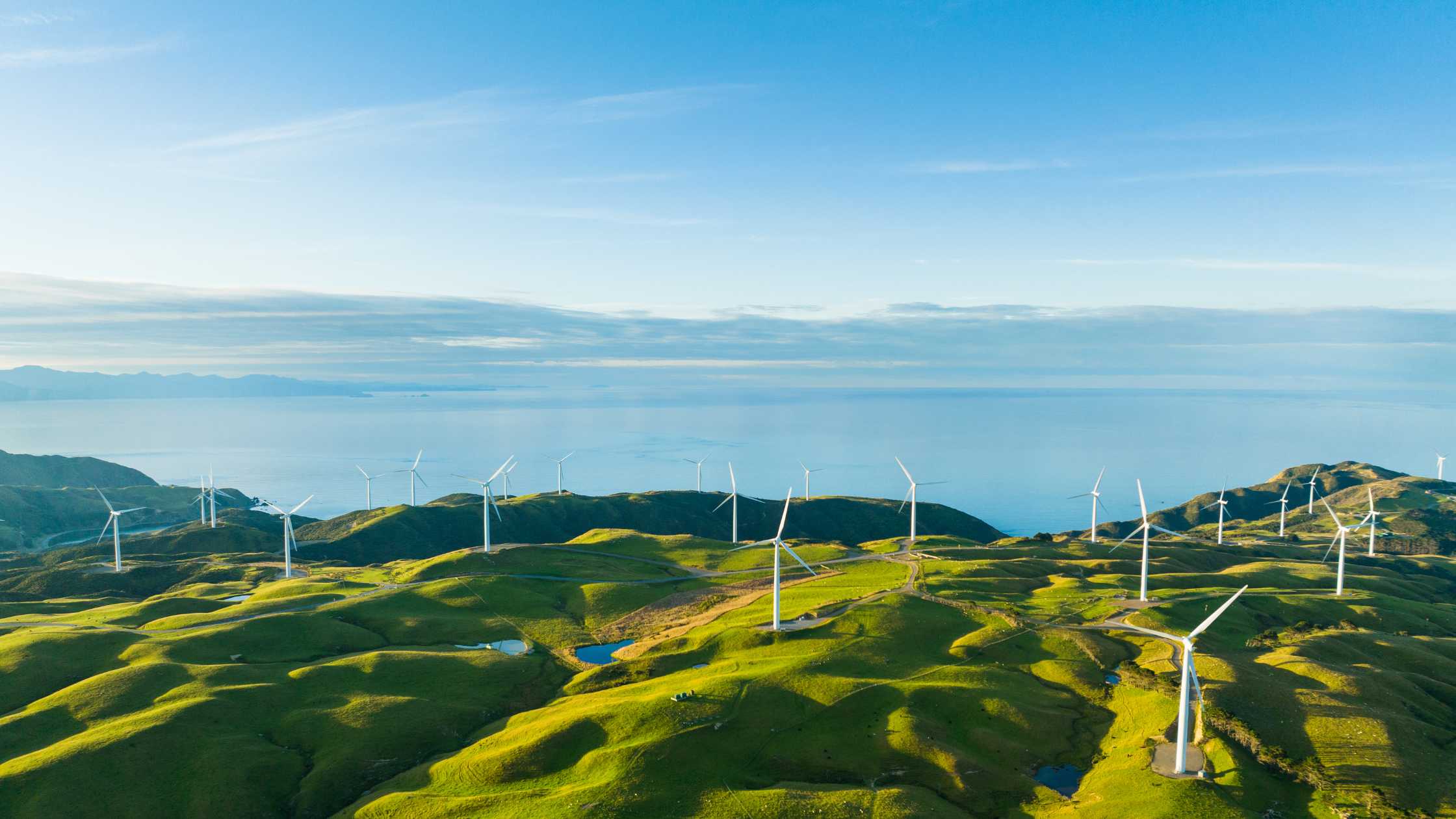
- Renewable energy integration (solar, wind, hybrid systems)
- Energy-efficient lighting, HVAC, and insulation
- Smart sensors for real-time energy and water monitoring
- Sustainable, recyclable, and low-emission materials
Measurable Benefits
- 20–30% reduction in operational costs
- 40–80% lower electricity expenses with solar integration
- Improved indoor air quality and thermal comfort
- Reduced water consumption and construction waste
Green buildings don’t just protect the environment—they enhance occupant health, productivity, and long-term asset value.
Sustainability as a Brand and Business Advantage
As we move toward 2026, sustainability has become a key differentiator in the construction industry.
Clients, investors, and governments increasingly prefer:
- Environmentally responsible developers
- Net-zero and low-carbon buildings
- Transparent ESG and sustainability practices
How Sustainability Strengthens Brand Value
- Builds long-term trust and credibility
- Improves eligibility for green certifications and incentives
- Enhances market positioning and competitive advantage
- Attracts environmentally conscious buyers and tenants
For modern construction brands, sustainability is no longer a cost—it’s a growth strategy.
Technology and Innovation in Sustainable Construction
Technology is accelerating the transition toward net-zero and energy-efficient buildings.
Key Technologies Driving Change
- BIM (Building Information Modelling): Enables accurate material planning, clash detection, and waste reduction
- AI and digital simulations: Predict energy performance and optimise design decisions
- Prefabrication and modular construction: Reduce material waste and construction timelines
- Smart building systems: Monitor energy, water, and emissions throughout a building’s lifecycle
The integration of AI, BIM, and smart technologies allows construction teams to make data-driven decisions that improve both sustainability and profitability.
The Future of Construction: What Lies Ahead
The future of construction is low-carbon, digital, and policy-driven.
- Governments worldwide are offering incentives for green buildings and renewable energy adoption
- Regulations increasingly favour low-emission materials and net-zero construction
- AI-powered planning tools are reducing waste and improving building efficiency
The goal is clear: buildings that minimise environmental harm while actively contributing to healthier cities and societies.