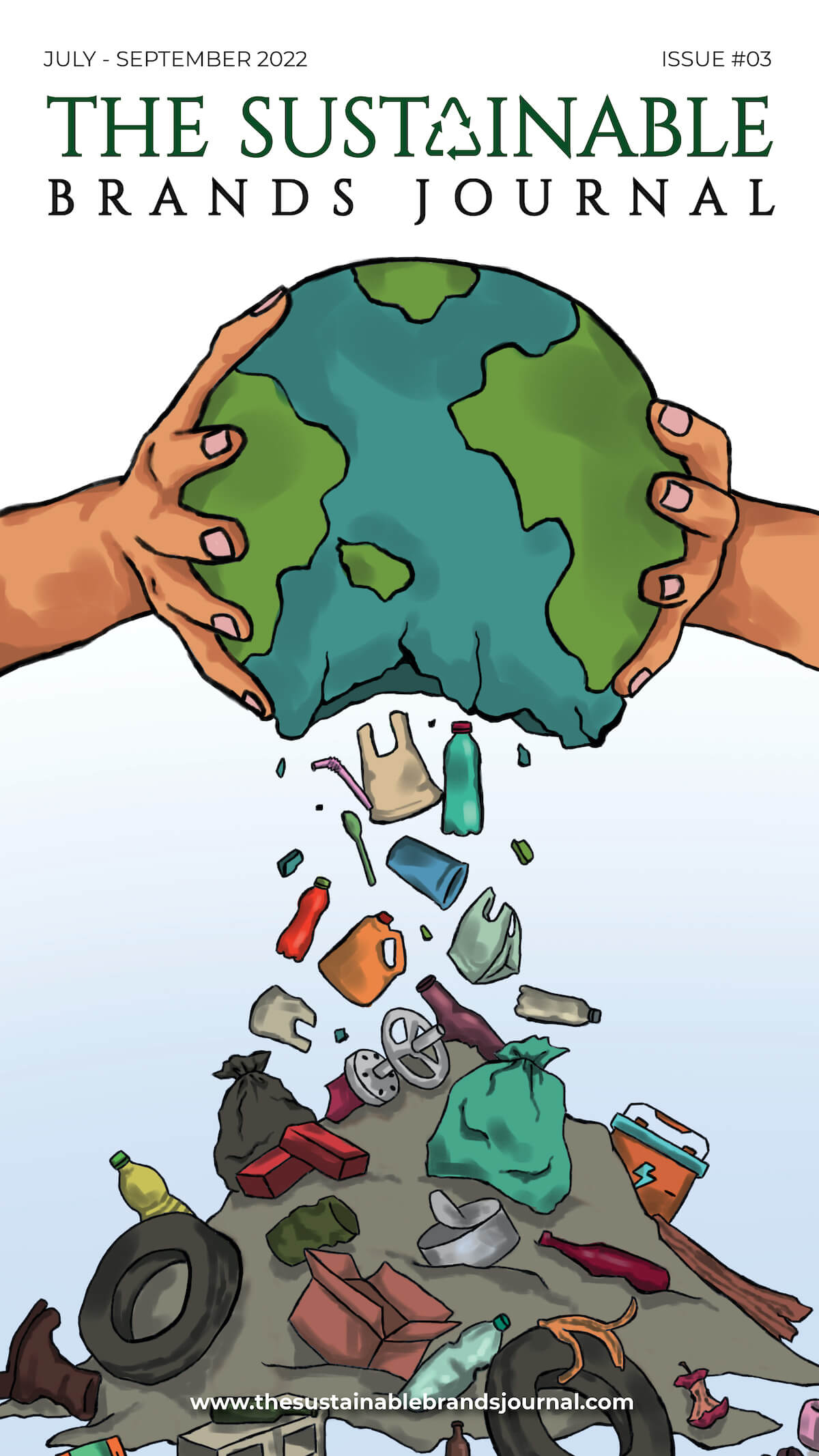
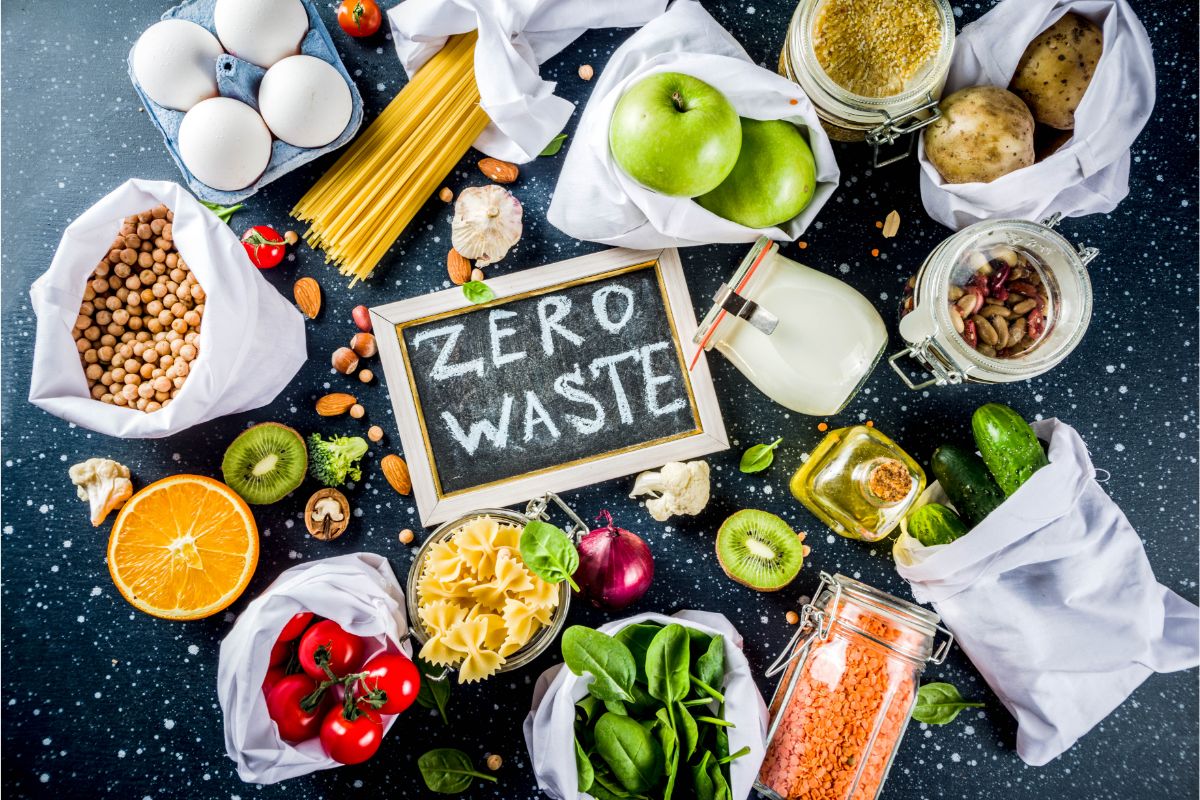
Zero-waste living is a lifestyle change where we reduce our overconsuming activities and try to reduce waste. It is a conscious effort to reduce the environmental footprint. This involves making thoughtful choices from the product we choose to the the way we eliminate waste. Let’s explore 7 ways to live a zero-waste lifestyle and contribute to a sustainable future.
What Is a Zero Waste Lifestyle?
A zero waste lifestyle focuses on:
- Refusing unnecessary items
- Reducing consumption
- Reusing materials
- Recycling responsibly
- Rotting (composting) organic waste
The goal: send as little as possible to landfills or incinerators.
How to Start a Zero-Waste Lifestyle: 7 Actionable Steps for 2026
Avoid single-use plastics
Single-use plastics can be used only once a time and they end up in landfills and some may be in the stomach of sea turtles. They are causing damage to our planet Earth vigorously. Say no to plastic cups, straws, and plates, and start bringing your own reusable cups, and water bottles. Surprisingly some of the coffee shop offers discount for bringing your own reusable cups.
Buy from local vendors
Start buying locally produced goods like fruits and vegetables from your local vendors. This way you are supporting the local business also you can get fresher, tastiest, more nutritious fruits and vegetables by cutting down your transportation costs.
Use Cloth bags
Use bags produced by cloth instead of plastic bags which end up in oceans and kill aquatic animalsPlastice bags create pollution and affect the whole ecosystem. Hence you can make your own cloth bag by recycling your old T-shirt. Also, Many stores offer discounts for customers who bring their own bags.
Buy in bulk
Consider buying goods in bulk and storing them in large containers. In this way, you can reduce packaging waste, money, and transportation costs. Also, you can get a discount for purchasing more quantity significant items.
Compost food waste
Instead of throwing your food waste in the trash, try using it as compost for your garden plant. It turns the soil into nutrient-rich and also helps the plant to produce fresh and healthy fruits and vegetables. It is a good way to reduce your waste.
Use sustainable transportation
Transportation plays a major role in carbon emissions. Choosing electric vehicles for cycling, walking, or using public transport helps us to become a step forward for a zero-waste sustainable future. Also sharing rides like carpooling helps us to reduce the carbon footprints.
Reuse and Repurpose
Before throwing away any item, think about how it can be reused or repurposed. This can be plastic bags, used plastic bottles, or anything around your house. For example, old clothes can be used for cleaning purposes, and used glass bottles can be used for storing food items.
Tying up
By adopting zero-waste sustainable living, we can play a pivotal role in safeguarding our planet. By appreciating recycled materials and second-hand products we are contributing to the world where the waste is minimized. Try to follow these seven strategies and move closer to zero waste society.
A zero waste lifestyle focuses on reducing landfill waste by refusing unnecessary items, reusing materials, recycling properly, and composting organic waste.
Begin with reusable bags and bottles, reduce single-use plastics, compost food waste, and adopt mindful purchasing habits.
Initial reusable purchases may cost more, but over time, buying less and wasting less often saves money.
Waste generation varies by country, but many households produce hundreds of kilograms of waste annually, much of which can be reduced through composting and mindful consumption.
Yes. Reducing landfill waste lowers methane emissions, conserves resources, and decreases carbon footprints.
The 5 R’s are: Refuse what you don’t need, Reduce what you do need, Reuse what you consume, Recycle what you cannot refuse, and Rot (compost) the rest.

Prachi, an accomplished Chief-Editor at The Sustainable Brands Journal, has 15+ years of experience in Europe, the Middle East, and India, managing 90+ global sustainable brands. She’s a prolific writer in sustainability, contributing to various publications. Prachi’s unwavering passion and expertise make her a recognized authority, driving positive change and inspiring a sustainable future.