Zero-Waste Living in 2026: Practical & Realistic Hacks That Actually Work
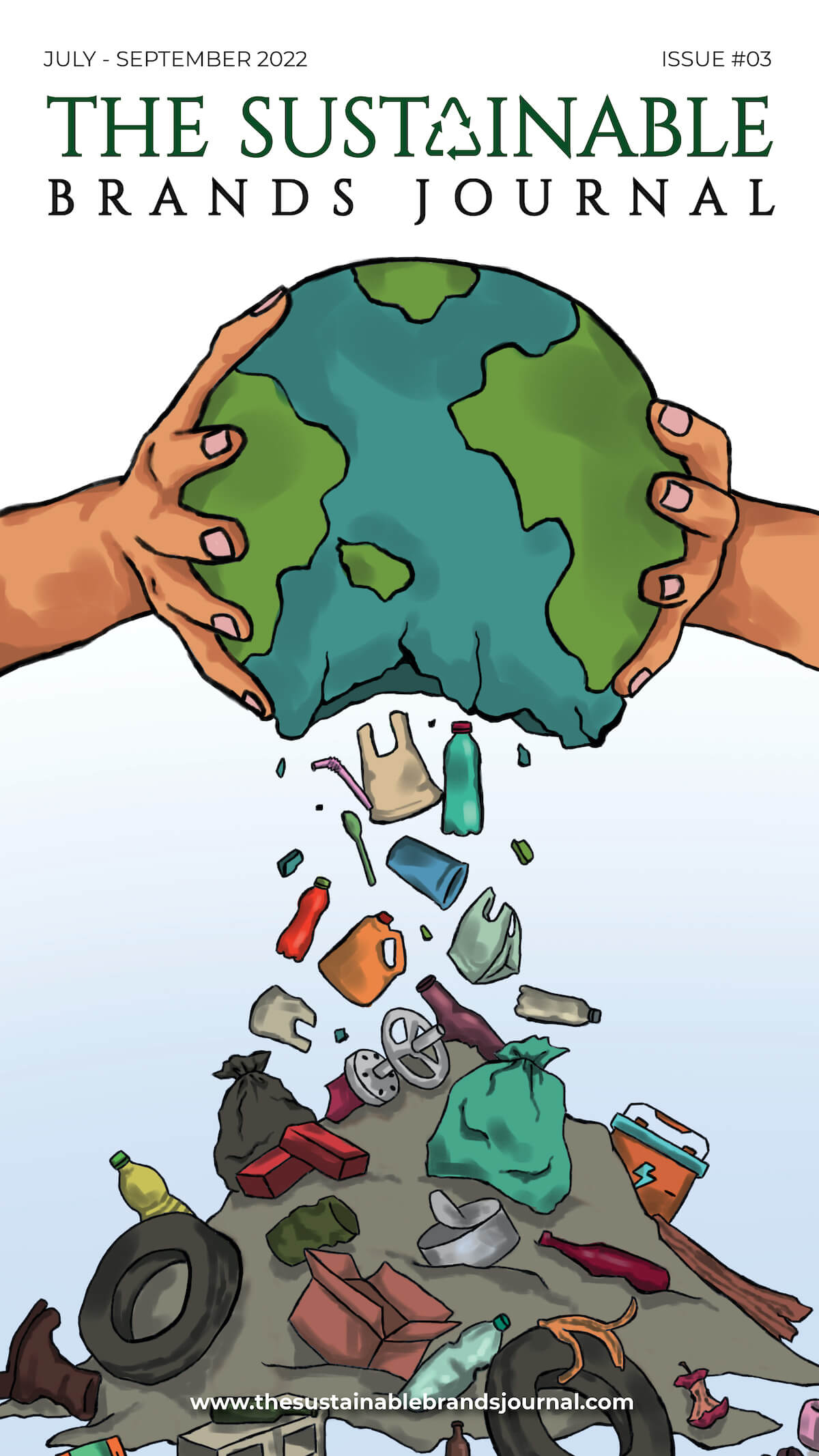
Did you know that nearly 33% of global waste is not managed safely? Instead of being recycled or treated properly, a large portion ends up in open dumps, water bodies, or is burned in the open—causing serious environmental and health risks.
But waste isn’t only a landfill problem. If you look closely, it’s piling up in our homes, habits, and everyday choices. From overbuying groceries to single-use packaging, most waste is created long before it ever reaches a dustbin.
The good news? You don’t need to live an extreme lifestyle or give up modern comforts to make a difference. In fact, the most effective ways to reduce waste at home are often simple, practical, and easy to maintain. That’s exactly what this guide is about.
Whether you live in an apartment, manage a busy household, or are just getting started, these zero waste living ideas for 2026 are designed to fit into real life.
What Is Zero-Waste Living?
Zero-waste living focuses on reducing what you send to landfills by making smarter choices around buying, using, reusing, and disposing of products.
It’s not about producing zero trash overnight. Instead, it’s about progress over perfection—choosing better options whenever possible.
Top Practical Zero-Waste Living Ideas for 2026
1. Mindful Consumption Is the Foundation
One of the most overlooked ways to reduce waste at home is simply buying less—but better.
Instead of frequent impulse purchases, focus on:
- High-quality items that last longer
- Repairing instead of replacing
- Choosing timeless clothing and durable electronics
For groceries, buying in bulk can significantly cut down on packaging waste. Store dry goods like rice, lentils, and nuts in reusable containers—but only buy what you’ll actually use. Planning meals ahead and shopping with a list prevents unnecessary food waste and saves money too.
Quick takeaway:
Less stuff = less waste, less clutter, and fewer regrets.
2. Switch to Reusables (and Actually Use Them)
Reusables only work if they become part of your routine. You don’t need a zero-waste starter kit—just start with items you’ll use daily.
Some easy swaps:
- Cloth shopping bags
- Refillable water bottles
- Reusable coffee cups
- Steel or glass food containers
If you shop for groceries weekly, a cloth bag is a no-brainer. If you grab coffee every morning, carry a reusable cup and ask your barista to use it. Small habits repeated daily have a bigger impact than occasional big efforts.
3. Reduce Food Waste with Simple Habits
Globally, 1.3–1.6 billion tonnes of food are wasted every year—nearly a third of all food produced. This makes food waste one of the biggest contributors to landfills and climate change.
Here’s how to reduce it at home:
- Plan meals before shopping
- Store fruits and vegetables properly
- Use leftovers creatively instead of discarding them
Composting is another powerful step. Even apartment dwellers can use compact, odor-free composters that fit easily in small kitchens. Composting food scraps reduces landfill waste and turns leftovers into nutrient-rich soil.
4. Choose Low-Waste Personal Care Products
Bathrooms generate more waste than we realize. Every year, over 552 million shampoo bottles and 1.4 billion body wash bottles are discarded globally. Most of these take centuries to decompose.
Zero waste living ideas for personal care include:
- Bar soaps and shampoo bars
- Refillable or bulk-buy toiletries
- Reusable razors and minimal skincare routines
If you do end up with plastic packaging, ensure it’s recyclable and disposed of correctly. Transition gradually—sustainable habits stick better when they don’t feel forced.
5. Make Your Wardrobe More Sustainable
Fast fashion produces around 92 million tonnes of textile waste annually. The easiest way to reduce this impact is to rethink how you shop new cloths, choose classic pieces made from sustainable materials and care for clothes.
Try:
- Thrifting or swapping clothes
- Renting outfits for special occasions
- Repairing damaged garments
- Buying fewer, better-quality pieces
When you’re done with clothes, donate or resell them instead of throwing them away. Fashion can be expressive and responsible.
Quick Summary: Easy Ways to Reduce Waste at Home
- Buy intentionally and avoid impulse purchases
- Use reusables that fit your lifestyle
- Reduce food waste through planning and composting
- Switch to low-waste personal care products
- Choose sustainable fashion options
Final Thoughts
Zero-waste living isn’t about being perfect—it’s about being conscious. Start with one habit, then another. A small effort today is far better than waiting for the “perfect” time.
When more households adopt simple, practical changes, the collective impact is powerful. Sustainable living doesn’t happen overnight—but it does start at home.
FAQs: Zero-Waste Living in 2026
Start with small changes like using reusable bags, planning meals to reduce food waste, and avoiding single-use plastics. These habits are simple and effective.
Not necessarily. While some eco-friendly products cost more upfront, zero-waste living often saves money by reducing unnecessary purchases and food waste.
Yes. Many zero waste living ideas—like composting, reusables, and mindful shopping—are designed specifically for small spaces and urban homes.
You’ll notice less waste almost immediately. Over time, these habits reduce landfill contributions, save money, and simplify daily life.
No. Sustainable living works best when you start small and build habits gradually. Even one change makes a difference.