
A Guide To Finding Eco-Friendly Sustainable Clothing Brands
Let’s be real — shopping sustainably can feel like navigating a minefield. Every other brand slaps ‘eco-friendly’ or ‘conscious collection’ on their homepage, but what does that actually mean? And more importantly, how do you know who’s telling the truth?
The fashion industry is one of the planet’s biggest polluters. It generates close to 10% of global carbon emissions, uses more water than any other sector except agriculture, and produces over 92 million tonnes of textile waste every single year. These aren’t small numbers — and they’re getting harder to ignore.
The good news? A growing wave of brands is doing things differently. And in this updated guide (March 2026), we’re cutting through the noise to help you shop smarter, spot greenwashing, and find brands that are genuinely putting the planet first.
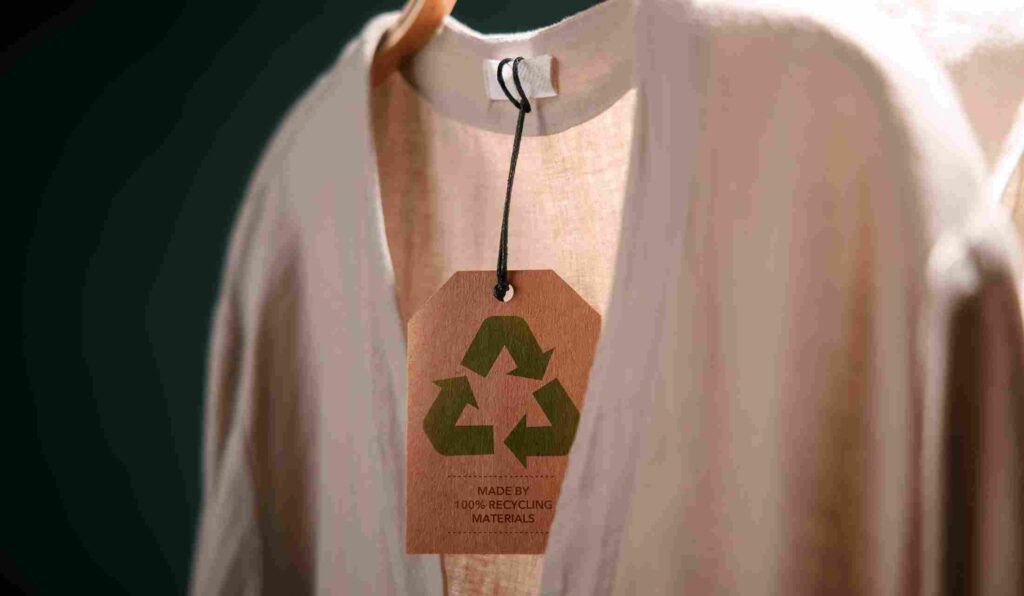
How to Know If a Brand Is Truly Sustainable
Before we get to brand recommendations, it helps to know what you’re actually looking for. Here’s what separates a genuinely sustainable brand from one that’s just doing good marketing:
1. Radical Transparency
Honest brands aren’t afraid to show you behind the curtain. They publish sustainability reports, name their factories, and even acknowledge where they’re still falling short. If a brand’s ‘sustainability page’ is full of vague language and pretty stock photos — no supplier names, no data, no certifications — that’s a red flag.
Look for brands that share: supply chain maps, carbon footprint data per product, water usage metrics, and annual impact reports. Brands like Everlane and Reformation have set the bar for this kind of radical transparency.
2. Sustainable Packaging
Packaging tells you a lot about a brand’s real commitment. Brands that care will use recycled, compostable, or minimal packaging — and they’ll say so clearly. If your ‘eco-friendly’ purchase arrives in layers of plastic wrap, something doesn’t add up.
3. What the Clothes Are Actually Made Of
The material a garment is made from matters enormously. Here’s a quick breakdown of what to look for — and what to avoid:
- Organic cotton: Grown without toxic pesticides, uses significantly less water than conventional cotton
- TENCEL / Lyocell: Made from sustainably sourced wood pulp in a closed-loop process — very low waste
- Hemp & linen: Both naturally low-impact crops that need little water or chemicals
- Recycled polyester (rPET): Made from plastic bottles — reduces waste, though still sheds microplastics
- Bamboo: Fast-growing and renewable, but processing can involve chemicals — check for certifications
- Piñatex / mushroom leather: Exciting new bio-based alternatives to animal leather gaining traction in 2025–26
And what to avoid: virgin polyester (petroleum-heavy), conventional cotton treated with heavy pesticides, and fabrics dyed with toxic, unregulated chemicals.
4. Third-Party Certifications (and What They Mean)
This is where things get concrete. Anyone can claim sustainability — but earning a third-party certification requires actual evidence. Here are the main ones worth knowing:
- Covers the entire supply chain. Requires at least 70% organic fibers and bans harmful chemicals throughout production. GOTS (Global Organic Textile Standard):
- Every component — fabric, threads, buttons — is tested for harmful substances. Great for skin-safe assurance. OEKO-TEX Standard 100:
- Guarantees fair wages and safe working conditions for the people making your clothes. Fair Trade Certified:
- Assesses a company’s entire social and environmental performance, not just its products. B Corp:
- Focuses on reducing harmful chemicals and resource use across the textile supply chain. Bluesign:
- Verifies that recycled content claims are genuine. Global Recycle Standard (GRS):
- An international standard for ethical workplace conditions including worker rights and no child labor. SA8000:
Pro tip: If a brand only has one certification on one product line while the rest of the catalog is uncertified — that’s not a sustainable brand. That’s greenwashing.
| ⚠️ Watch Out for Greenwashing: Greenwashing is when brands use vague eco-language (‘natural’, ‘green’, ‘conscious’) without real substance behind it. Warning signs include: no certifications, no supplier transparency, a tiny ‘eco line’ within a massive fast-fashion catalog, and sustainability claims with no supporting data. When in doubt, check the brand on the Good On You app — they independently rate thousands of brands. |
8 Eco-Friendly Sustainable Clothing Brands Worth Your Money in 2026
We’ve expanded our original list and updated it with current information. These brands have been selected based on verified certifications, genuine transparency, and real sustainable practices — not just good marketing.
1.For Days

For Days is one of the best unisex sustainable clothing brands. The brand focuses on environmentally friendly clothing. The company deals with hoodies and tops that are quite affordable. The products are made up of recycled terry, and organic cotton, and sewn in Morocco. You can return the product after some time and the brand will recycle it and will turn it into a new piece in return they will give you a swap credit card that you can use to purchase a new item from them whenever you want.
2.Pact

Pact is a brand that deals with sustainable and versatile clothes. The brand sells sleepwear and loungewear that are comfortable and manufactured using eco-friendly materials. The brand aims to make its production more organic as being organic not only preserves the planet but also the customers and farmers. The reason why Pact is a leading brand is that the organic cotton which they use to manufacture their products requires 81% less water than normal cotton, is softer, and does not use any sort of chemicals.
3.Tentree

Tentree has the highest standard in terms of sustainability. Being a certified B Corp, the brand manufactures loungewear and sportswear that are made up of eco-friendly materials like Tencel and organic cotton and are crafted in India and Europe. With every product sold, the company plants 10 trees and so far they have planted over 70 million trees and aim to plant more than one billion by the end of December 2023. Tentree is Climate Neutral Certified, Fair Trade Certified, WRAP, SA8000, and BSCI.
4.Thought Clothing

Thought Clothing is one of the best sustainable brands in the UK that deals with women’s workwear. Keeping all the colors in mind, the brand focuses on manufacturing marvelous women’s workwear. The materials that they use are GOTS-certified organic cotton, hemp, and bamboo. The best part is that you don’t need to wash it often because it is made up of high-caliber fabrics. Their choice of designs and bright colors are just wonderful. Also, all of these stylish products are just under £150.
5.Birdsong – Handmade, Feminist, Sustainable

Birdsong is a womenswear brand that sells eco-friendly clothes. Each and every piece of this brand is hand knitted by the workers. Birdsong is a perfect blend of authenticity. The people who want to dress up classy and protect the planet, this brand is for you. The brand uses only GOTS certified like Indian Organic Cotton. GOTS certification makes sure that every factory is meeting the sustainability criteria. The main purpose behind using organic cotton is that it helps to avert the toxicants that pollute the environment and helps in making this world a better place by diminishing the effects of climate change.
Also, if you are a sustainable brand and also an eco-conscious person then we would love you to join our sustainable brand community. You can also collaborate and amplify your business on this platform. By joining us, you can also be a part of our community which is bringing revolution to this world.
Patagonia — The Gold Standard
If there’s one brand that’s become synonymous with sustainable fashion done right, it’s Patagonia. They’ve been at this for decades, and they keep raising the bar. As of 2026, 98% of their materials are recycled or responsibly sourced, and they’re actively working toward eliminating all virgin petroleum-based fibers.
What makes Patagonia stand out isn’t just the materials — it’s their Worn Wear program, which encourages customers to repair and resell garments instead of buying new ones. They’re B Corp certified, Fair Trade certified, and have long supported environmental activism, including donating 1% of sales to grassroots environmental organizations.
- Best for: Outdoor clothing, fleeces, hiking gear, activewear
- Price range: Mid-to-premium ($$–$$$)
- Certifications: B Corp, Fair Trade, bluesign partner
Reformation — Stylish and Accountable
Reformation has cracked the code on making sustainable fashion feel genuinely aspirational. Their clothes are trendy, well-made, and backed by some of the most transparent sustainability reporting in the industry. Every product page shows you the water saved, CO2 avoided, and waste reduced for that specific item.
They’re Climate Neutral Certified and have committed to using 100% recycled, regenerative, or renewable materials across their collection. Their LA factory is powered by renewable energy, and they’ve built fair working conditions into their own supply chain.
- Best for: Women’s fashion, dresses, denim, workwear
- Price range: Mid-to-premium ($$$)
- Certifications: Climate Neutral Certified, GOTS fabrics
Girlfriend Collective — Sustainable Activewear
When it comes to eco-friendly activewear, Girlfriend Collective is leading the pack. Their leggings are made from recycled plastic bottles and fishing nets — yes, really. They use 100% recyclable packaging, offer extended sizing from XXS to 6XL, and run a take-back program where you can send back worn-out pieces to be recycled into new ones.
It’s one of the most circular fashion systems out there, and the clothes actually perform. A true rarity in sustainable fashion.
- Best for: Activewear, sports bras, leggings, swimwear
- Price range: Mid-range ($$–$$$)
- Certifications: OEKO-TEX Standard 100, GRS
Practical Tips for Shopping Sustainably
Beyond choosing the right brands, here are some habits that make a real difference:
- Shop your closet first. The most sustainable piece of clothing is the one you already own. Before buying anything new, check what you have and style it differently.
- Go secondhand. Platforms like Depop, ThredUp, Vestiaire Collective, and The RealReal let you shop quality secondhand clothing. It’s better for your wallet and the planet.
- Use the Good On You app. It independently rates thousands of brands on environmental impact, labor conditions, and animal welfare. It’s the fastest way to check a brand before you buy.
- Buy less, buy better. One well-made garment that lasts five years has a far lower footprint than five cheap pieces that fall apart in a year.
- Learn to care for clothes properly. Washing in cold water, air drying, and storing clothes correctly significantly extends their life.
- Try clothing rental. For special occasions especially, platforms like Rent the Runway mean you can wear something beautiful without adding to your wardrobe permanently.
- Consider repair over replace. A broken zip or missing button doesn’t mean the end of a garment. Many sustainable brands offer free repair programs.
Final Thought
Sustainable fashion isn’t about being perfect. It’s about making more informed choices, one purchase at a time. You don’t need to overhaul your entire wardrobe overnight — start by researching one brand before your next purchase, or trying out a secondhand platform before buying new.
The brands in this guide are doing things the right way — with real certifications, real transparency, and real accountability. Supporting them sends a message to the entire industry about what consumers actually want.
And remember: the most sustainable wardrobe is one built with intention, worn well, and cared for properly. That matters as much as any certification.
Frequently Asked Questions
It can be, upfront — but think in terms of cost-per-wear. A £80 organic cotton jumper worn 200 times costs 40p per wear. A £15 fast fashion equivalent that falls apart after 10 washes costs £1.50 per wear. Quality sustainable clothing is almost always cheaper in the long run. That said, brands like Pact and Tentree genuinely compete on price with high street options.
Greenwashing is when a brand uses eco-friendly language and imagery without making substantive sustainable changes. Red flags include: vague terms like ‘natural’, ‘conscious’, or ‘green’ without any certifications or data; a small ‘eco range’ within a huge fast fashion catalog; no transparency about factories or supply chains; and sustainability claims that outpace any actual evidence. If a brand can’t tell you what certifications it holds and where its clothes are made, be skeptical.
GOTS (Global Organic Textile Standard) is the most comprehensive — it covers both environmental and social criteria across the entire supply chain. For labor ethics specifically, Fair Trade Certified is the gold standard. For chemical safety, OEKO-TEX Standard 100 is reliable. Ideally you want a brand with multiple certifications, not just one on a single product.
Pact, Tentree, and For Days are among the most affordable certified sustainable brands. Beyond buying new, secondhand shopping on ThredUp, Depop, or local charity shops is genuinely the most sustainable and cheapest option available. The Good On You app also has a budget filter so you can find affordable brands that score well ethically.
TENCEL Lyocell and Modal remain top picks — made from certified sustainably sourced wood in a closed-loop process with minimal waste. Organic linen and hemp are excellent natural choices. Emerging options like Piñatex (pineapple fiber leather) and mycelium (mushroom) leather are becoming more mainstream and offer exciting animal-free alternatives. Recycled cashmere and recycled wool are also strong choices for colder pieces.
Yes, and this is improving. Girlfriend Collective now goes up to 6XL. Pact goes up to 3XL. Reformation expanded their size range in recent years. LOUDBODIES is a size-inclusive brand rated highly by Good On You. The sustainable fashion space still has work to do on size inclusivity, but it’s genuinely getting better
Third-party audits are the most reliable signal — look for brands that publish factory audit results, not just the fact that audits happened. Membership in bodies like the Fair Labor Association or Textile Exchange also adds credibility. Some brands go further and publish supplier maps showing exactly which factories produce which products. If a brand won’t name its factories at all, treat any supply chain claims with caution.

Prachi, an accomplished Chief-Editor at The Sustainable Brands Journal, has 15+ years of experience in Europe, the Middle East, and India, managing 90+ global sustainable brands. She’s a prolific writer in sustainability, contributing to various publications. Prachi’s unwavering passion and expertise make her a recognized authority, driving positive change and inspiring a sustainable future.