
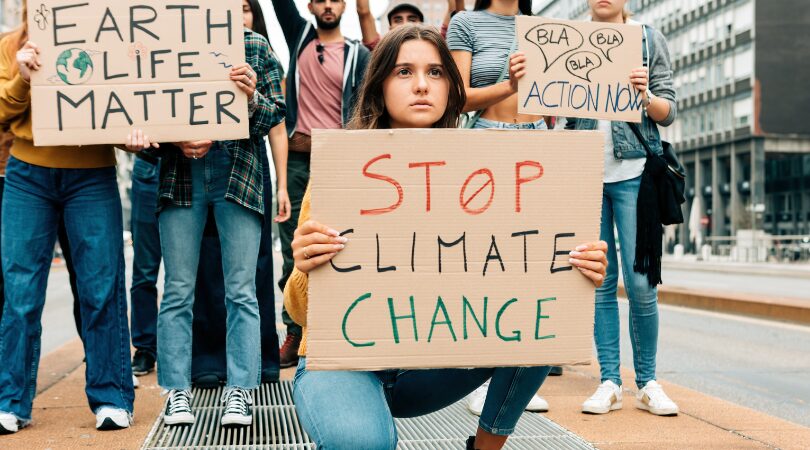
Eco Anxiety: The Psychological Side of Climate Change
Climate change is no longer just an environmental issue — it is a psychological one.
Rising awareness of extreme weather, biodiversity loss, and economic uncertainty has fueled increasing levels of eco anxiety, particularly among younger generations.
This shift signals a new dimension in sustainability discourse: climate mental health.
Eco Anxiety: Understanding Climate Anxiety in a Changing World
Research shows that a significant percentage of young adults report feeling fear, anger, or helplessness regarding climate change.
Climate anxiety often emerges from:
- Perceived lack of systemic progress
- Exposure to constant climate crisis narratives
- Distrust in policy commitments
- Uncertainty about future stability
If I search for eco anxiety, I’m likely feeling overwhelmed — not uninformed.
Why Sustainability Communication Matters
Fear-based messaging can amplify distress.
Effective sustainability communication instead focuses on:
- Visible solutions
- Infrastructure transformation
- Measurable emission reductions
- Collective progress
Examples of systemic solutions — such as renewable-powered ammonia projects, waste heat recovery systems, or grid integration through a hybrid inverter — provide tangible signals that structural progress is happening.
Visible action reduces paralysis.
The Strategic Link to Climate Policy
When organizations commit to measurable emission reduction frameworks aligned with net zero carbon goals, they create psychological reassurance.
Progress reduces uncertainty.
And reduced uncertainty reduces eco anxiety.
Climate leadership today must address both emissions and emotional resilience.
People Also Ask
Eco anxiety refers to persistent stress or fear related to climate change and environmental instability.
It is not officially classified as a disorder, but mental health professionals recognize it as a legitimate emotional response.
Younger generations report the highest levels of climate-related distress.
Community engagement, solution-focused education, and visible systemic progress can help reduce anxiety.