
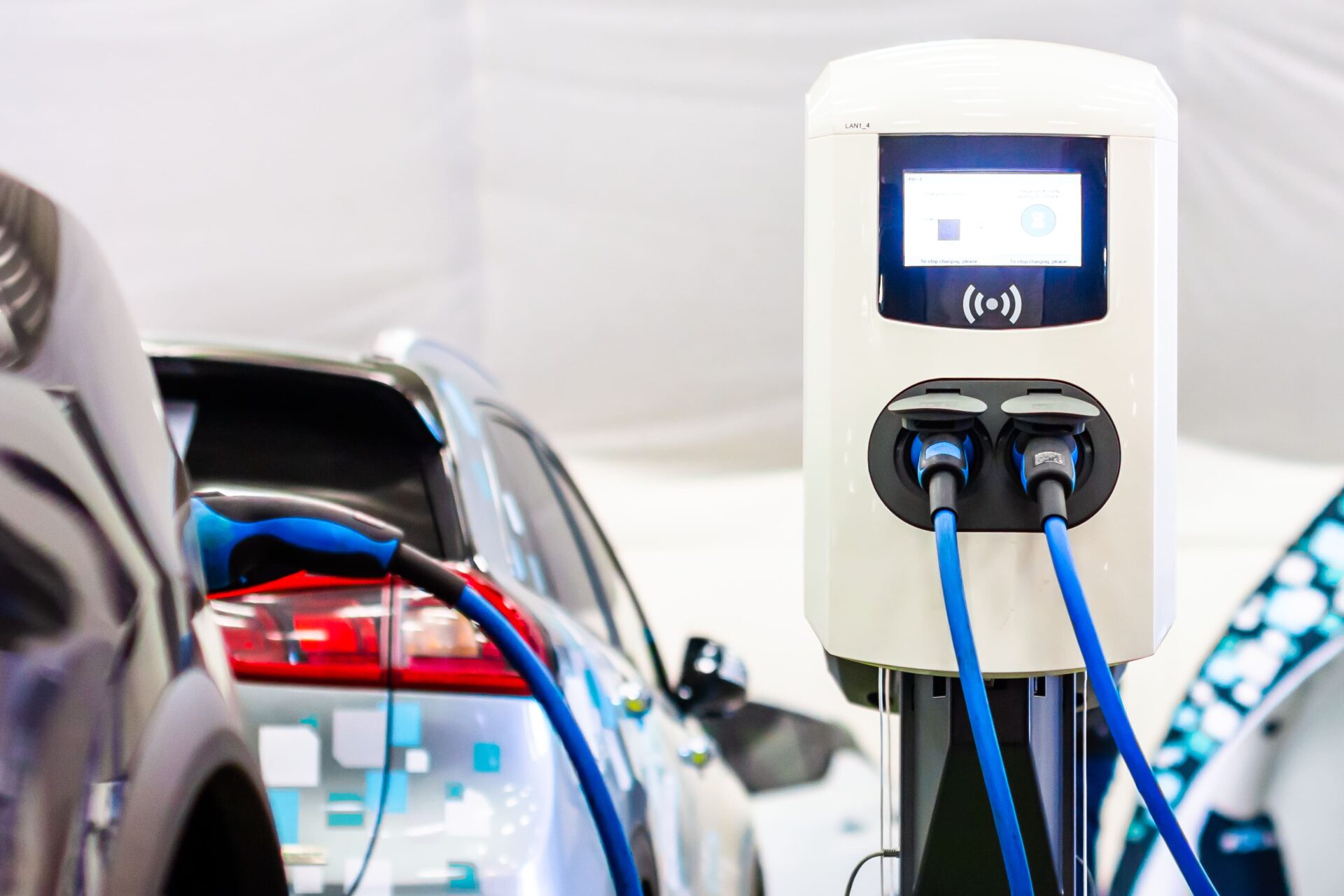
Electric vehicles (EVs) are no longer a niche innovation—they are at the center of the global transition toward clean energy and net zero emissions. Governments, businesses, and consumers are accelerating the shift away from internal combustion engine (ICE) vehicles as climate urgency, fuel costs, and technological advancements reshape mobility.
But while EV adoption is growing rapidly, the transition is far more complex than it appears.
This guide breaks down what’s driving EV adoption, what’s holding it back, and what the future of transportation really looks like in 2026 and beyond.

EV Adoption in 2026: Key Statistics
- EVs now account for 20–25% of global new car sales
- Battery costs have dropped by over 80% in the past decade
- Emerging markets are seeing faster growth than developed economies
- Electric 2-wheelers and public transport are outpacing passenger cars in adoption
👉 Key Insight:
The EV revolution is no longer limited to wealthy nations—it is becoming a global transformation driven by affordability and policy support.
What’s Driving EV Adoption?
1. Government Policies and Net Zero Targets
Countries worldwide are implementing:
- EV subsidies and tax incentives
- ICE vehicle bans (2030–2040 timelines)
- Carbon emission regulations
These policies are directly tied to net zero commitments, making EV adoption a strategic priority.
2. Falling Battery Costs
Battery technology improvements have:
- Reduced EV prices
- Increased driving range
- Improved charging efficiency
👉 EVs are rapidly approaching price parity with petrol/diesel vehicles.
3. Rising Fuel Prices and Ownership Costs
Consumers are shifting due to:
- Lower running costs of EVs
- Reduced maintenance requirements
- Energy independence (especially with solar integration)
4. Clean Energy Integration
EVs are increasingly powered by:
- Solar energy
- Wind energy
- Smart grids
This strengthens their role in reducing overall carbon emissions.
What’s Slowing Down EV Adoption?
Despite rapid growth, several challenges remain:
Charging Infrastructure Gaps
- Limited charging stations in rural and developing regions
- Long charging times compared to refueling
- Uneven global infrastructure distribution
High Upfront Costs
- EVs still cost more upfront in many markets
- Subsidies are inconsistent across regions
Battery Supply Chain Issues
- Dependence on lithium, cobalt, and rare earth materials
- Supply chain concentration in a few countries
Grid Capacity and Energy Demand
- Increased electricity demand
- Need for grid modernization and renewable integration
👉 Reality Check:
EV adoption is not just a transportation issue—it’s an energy infrastructure challenge.
Emerging Markets Are Leading the EV Revolution
Contrary to popular belief, developing economies are becoming key drivers of EV growth.
Key Trends:
- Rapid adoption of electric 2-wheelers and 3-wheelers
- Growth in affordable EV models
- Government-led electrification programs
Why Emerging Markets Are Winning:
- Lower vehicle ownership barriers
- High fuel cost sensitivity
- Urban congestion driving alternative mobility
👉 Countries like India, Southeast Asia, and parts of Africa are leapfrogging traditional automotive systems.
Beyond Cars: The Real EV Transformation
The future of transportation is not just about electric cars.
Public Transport
- Electric buses are scaling rapidly in urban cities
- Lower emissions + lower operational costs
Two- and Three-Wheelers
- Dominating EV adoption in Asia
- Affordable and highly efficient
Logistics and Fleets
- Last-mile delivery vehicles are going electric
- Major companies transitioning fleets to EVs
👉 Key Insight:
The biggest impact of EV adoption will come from mass mobility, not luxury cars.
EV vs ICE: Cost Comparison (2026)
| Factor | Electric Vehicles (EVs) | Petrol/Diesel Vehicles |
|---|---|---|
| Upfront Cost | Higher (but decreasing) | Lower |
| Running Cost | Low | High |
| Maintenance | Minimal | High |
| Fuel/Energy | Electricity (cheaper) | Petrol/Diesel (volatile) |
| Emissions | Near zero | High |
👉 Conclusion:
EVs are becoming more economical over their lifetime, even if upfront costs remain slightly higher.
Future Technologies Shaping EV Growth
1. Solid-State Batteries
- Higher energy density
- Faster charging
- Safer than current lithium-ion batteries
2. Vehicle-to-Grid (V2G)
- EVs can supply power back to the grid
- Helps stabilize electricity demand
3. AI-Powered Smart Charging
- Optimizes charging based on energy demand
- Reduces grid stress
4. Autonomous Electric Vehicles
- Self-driving EV fleets for ride-sharing and logistics
👉 The future of EVs lies at the intersection of energy, AI, and mobility ecosystems.
EVs and Net Zero Goals
EVs play a crucial role in reducing emissions, but their impact depends on:
- Clean energy sources powering them
- Sustainable battery production
- Recycling and circular economy practices
👉 Important:
EVs alone won’t achieve net zero—they must be part of a larger clean energy transition.
What Needs to Happen Next
To accelerate EV adoption globally:
Governments Must:
- Expand charging infrastructure
- Standardize policies and incentives
- Invest in grid modernization
Businesses Must:
- Electrify fleets
- Invest in battery innovation
- Build sustainable supply chains
Consumers Must:
Adopt EVs where feasible
Shift toward sustainable mobility choices
Final Takeaway
The future of transportation is electric—but not in the way most people expect.
It’s not just about replacing petrol cars with EVs.
It’s about building an entirely new ecosystem of:
- Clean energy
- Smart infrastructure
- Connected mobility
👉 The real winners in this transition will be those who adapt early to the intersection of energy, technology, and sustainability.
The biggest barrier is charging infrastructure, followed by high upfront costs and limited battery supply chains.
Yes, EVs are generally cheaper over their lifetime due to lower fuel and maintenance costs, even if upfront prices are slightly higher.
China, Norway, and emerging markets like India and Southeast Asia are leading EV growth, especially in 2-wheelers and public transport
EVs reduce greenhouse gas emissions by replacing fossil fuel vehicles, especially when powered by renewable energy sources.
Yes, in many cases. Developing nations are adopting EVs faster due to affordability, urban density, and policy support.
The future includes solid-state batteries, smart charging systems, and autonomous electric mobility, making EVs more efficient and accessible.

Prachi, an accomplished Chief-Editor at The Sustainable Brands Journal, has 15+ years of experience in Europe, the Middle East, and India, managing 90+ global sustainable brands. She’s a prolific writer in sustainability, contributing to various publications. Prachi’s unwavering passion and expertise make her a recognized authority, driving positive change and inspiring a sustainable future.