Top Sustainable Jewelry Brands Redefining Luxury in the UAE (2026)
The definition of luxury is changing.
Modern consumers are no longer evaluating jewelry based solely on craftsmanship, rarity, or prestige. Increasingly, they want to understand where materials come from, how products are manufactured, and whether brands are committed to ethical and environmental responsibility.
This shift is reshaping the global jewelry industry. According to industry reports, the sustainable jewelry market is witnessing significant growth as consumers prioritize ethical jewelry, lab-grown diamonds, recycled gold, conflict-free gemstones, and responsible sourcing practices.
In the UAE, where luxury retail remains one of the strongest sectors, sustainability is becoming a major purchasing consideration—especially among Millennials, Gen Z consumers, and affluent conscious buyers seeking transparency alongside exclusivity.
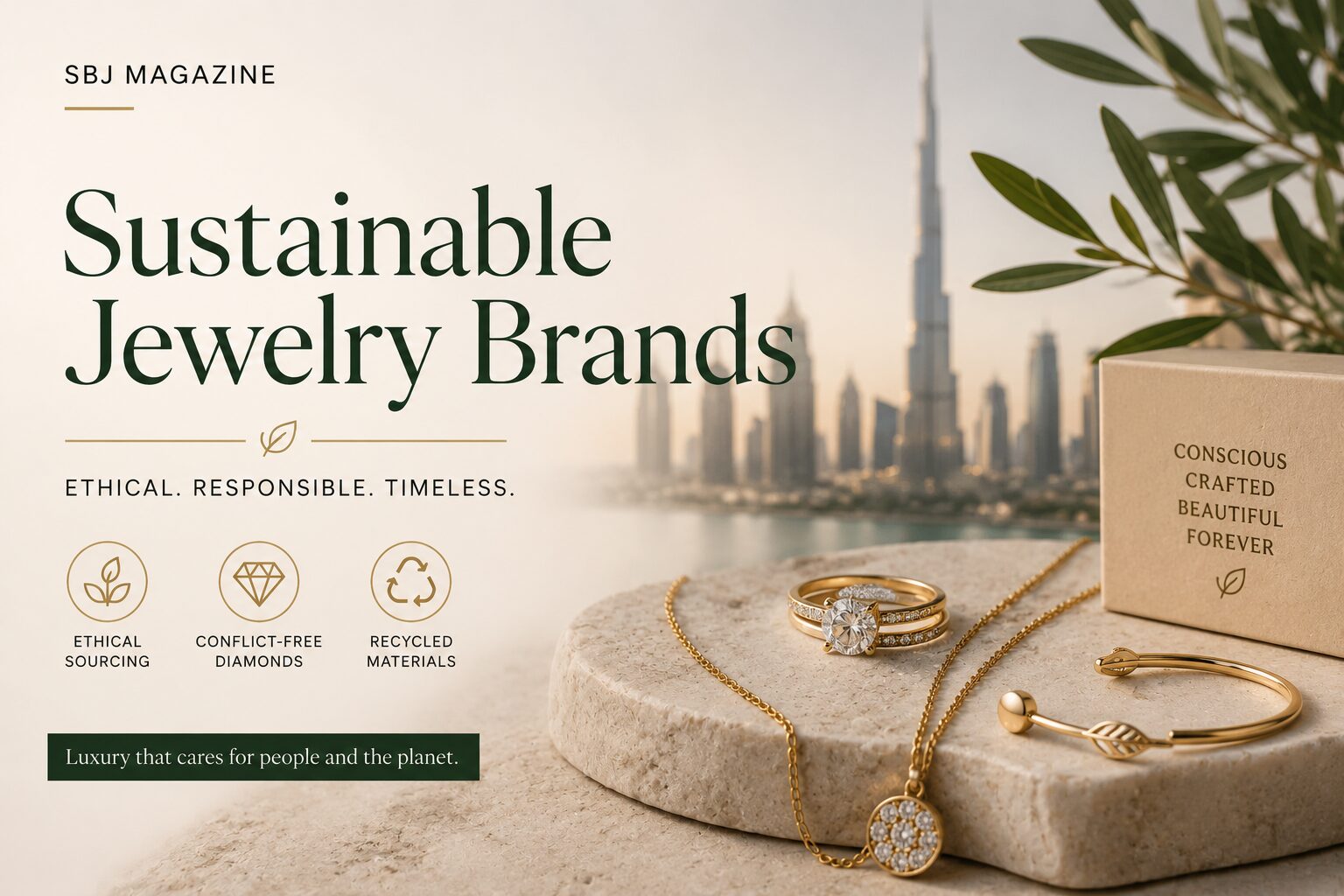
From recycled precious metals to carbon-neutral production and lab-created diamonds, sustainable jewelry brands are redefining what luxury means in 2026.
Why Sustainable Jewelry Matters
Traditional jewelry production often comes with significant environmental and social costs.
According to industry estimates:
- Gold mining can contribute to deforestation and biodiversity loss.
- Mining operations consume substantial amounts of water and energy.
- Traditional mining can generate large quantities of waste.
- Ethical concerns around labor practices remain a challenge in parts of the global supply chain.
Consumers today are asking smarter questions before making luxury purchases:
- Are the diamonds conflict-free?
- Is the gold recycled or responsibly sourced?
- Does the brand provide supply chain transparency?
- Are workers treated fairly?
- What environmental impact does the product create?
These questions are driving the rise of sustainable luxury and responsible jewelry consumption worldwide.
The Sustainable Jewelry Trends Shaping 2026
Several key trends are transforming the jewelry industry:
Lab-Grown Diamonds
Lab-grown diamonds have become one of the fastest-growing segments in luxury jewelry.
Benefits include:
- Lower environmental impact
- Greater traceability
- Reduced mining dependency
- Competitive pricing
Recycled Precious Metals
Brands are increasingly using:
- Recycled gold
- Recycled silver
- Reclaimed platinum
to reduce demand for newly mined materials.
Traceable Gemstones
Consumers increasingly demand visibility into gemstone sourcing, ethical mining practices, and supply chain transparency.
Circular Luxury
Jewelry brands are investing in:
- Repair programs
- Buy-back initiatives
- Recycling systems
- Long-life product design
Carbon-Conscious Manufacturing
Leading jewelry brands are actively reducing emissions through renewable energy adoption and sustainable production methods.
Top Sustainable Jewelry Brands Leading the Industry
1. Mejuri
Founded: 2015
Headquarters: Toronto, Canada
Mejuri has become one of the world’s most recognized modern fine jewelry brands by combining transparency, responsible sourcing, and everyday luxury.
Sustainability Initiatives
- Recycled gold sourcing
- Responsibly sourced diamonds
- Traceable suppliers
- Reduced packaging waste
Why Consumers Love Mejuri
The brand focuses on accessible luxury while maintaining strong sustainability standards, making ethical fine jewelry more attainable for younger consumers.
Best Known For:
- Gold hoops
- Diamond stacking rings
- Everyday fine jewelry
2. Monica Vinader
Founded: 2008
Headquarters: London, United Kingdom
Monica Vinader is a sustainability leader within the luxury jewelry space.
Sustainability Commitments
- 100% recycled gold and silver
- Plastic reduction initiatives
- Responsible gemstone sourcing
- Supply chain transparency
The company has received recognition for integrating sustainability into luxury design without compromising craftsmanship.
3. Pandora
Founded: 1982
Headquarters: Copenhagen, Denmark
Pandora is one of the largest jewelry brands globally and has made significant sustainability commitments.
Key Sustainability Goals
- 100% recycled silver and gold
- Renewable energy adoption
- Reduced greenhouse gas emissions
- Science-based climate targets
Pandora’s scale allows it to influence sustainability standards across the global jewelry industry.
4. Brilliant Earth
Founded: 2005
Headquarters: California, USA
Brilliant Earth is widely recognized as one of the pioneers of ethical fine jewelry.
Focus Areas
- Conflict-free diamonds
- Fairmined gold
- Traceable gemstones
- Ethical sourcing certifications
The brand’s transparency has made it a trusted choice among conscious luxury consumers.
5. Ana Luisa
Founded: 2018
Headquarters: New York, USA
Ana Luisa has gained popularity among younger consumers seeking affordable sustainable jewelry.
Sustainability Highlights
- Carbon-neutral operations
- Recycled metals
- Limited-batch production
- Plastic-free packaging
The company emphasizes quality over mass production, aligning with slow-fashion principles.
6. Kimai
Founded: 2018
Headquarters: London, United Kingdom
Kimai focuses exclusively on lab-grown diamonds and sustainable fine jewelry.
Key Features
- Lab-created diamonds
- Recycled gold
- Ethical production
- Transparent sourcing
The brand appeals strongly to environmentally conscious luxury buyers.
7. Vrai
Founded: 2014
Headquarters: California, USA
Vrai is known for creating diamonds using renewable-energy-powered technology.
Sustainability Leadership
- Zero-emission lab-grown diamonds
- Traceable production
- Renewable energy usage
- Carbon-conscious manufacturing
The brand is helping redefine the future of diamond jewelry.
8. Edge of Ember
Founded: 2014
Headquarters: London, United Kingdom
Edge of Ember promotes ethical luxury through responsible sourcing and slow-fashion principles.
Sustainability Focus
- Recycled precious metals
- Ethical workshops
- Small-batch production
- Long-lasting craftsmanship
Its timeless designs encourage consumers to buy fewer but better-quality pieces.
9. Astley Clarke
Founded: 2006
Headquarters: London, United Kingdom
Astley Clarke focuses on modern heirloom jewelry designed to last for generations.
Sustainability Approach
- Responsible sourcing
- Recycled metals
- Durable craftsmanship
- Reduced environmental impact
The brand emphasizes longevity rather than trend-driven consumption.
10. Damas Jewellery
Founded: 1907
Headquarters: Dubai, UAE
Damas remains one of the Middle East’s most respected luxury jewelry houses.
Why Damas Matters in Sustainable Luxury
As sustainability expectations rise across the GCC, Damas has increasingly aligned itself with responsible sourcing conversations and evolving ESG principles.
Market Influence
- Strong GCC presence
- Luxury heritage
- Ethical sourcing initiatives
- Growing sustainability awareness
For UAE consumers, Damas represents the intersection of regional heritage and modern responsible luxury.
Sustainable Jewelry and the UAE Luxury Market
The UAE luxury sector is evolving rapidly.
Consumers across Dubai, Abu Dhabi, and the wider GCC increasingly prioritize:
- Ethical luxury brands
- Sustainable fashion
- ESG-conscious businesses
- Responsible sourcing
- Long-term product value
Luxury retailers are responding by expanding offerings that align with both environmental responsibility and premium customer experiences.
The rise of sustainable jewelry mirrors broader trends in:
- Sustainable fashion
- Conscious consumerism
- Circular economy adoption
- ESG-driven purchasing behavior
How to Identify Truly Sustainable Jewelry Brands
Before purchasing, consumers should evaluate:
✔ Recycled gold and silver usage
✔ Conflict-free diamonds
✔ Lab-grown diamond options
✔ Ethical gemstone sourcing
✔ Transparent supply chains
✔ Sustainability reporting
✔ Environmental certifications
✔ Carbon reduction commitments
These factors help distinguish authentic sustainability efforts from greenwashing claims.
Sustainable jewelry is made using ethically sourced materials, recycled metals, conflict-free gemstones, and environmentally responsible production methods.
Lab-grown diamonds generally have a lower environmental impact than traditionally mined diamonds and offer greater supply chain transparency.
Brands such as Monica Vinader, Pandora, Kimai, and Mejuri actively use recycled precious metals.
Growing environmental awareness, luxury market evolution, ESG initiatives, and conscious consumer behavior are driving demand for sustainable jewelry across the UAE.
Final Thoughts
Sustainable jewelry is no longer a niche category—it is becoming the future of luxury.
As consumers increasingly demand transparency, ethical sourcing, and environmental responsibility, brands that embrace recycled metals, lab-grown diamonds, circular production models, and responsible supply chains will lead the next generation of luxury retail.
For UAE consumers, sustainable jewelry offers something increasingly valuable: the ability to invest in timeless craftsmanship while supporting a more responsible and future-focused industry.

Sourabh is an SEO Specialist associated with The Sustainable Brands Journal, contributing to the platform’s mission of amplifying sustainability-driven narratives. He specializes in content optimization, search strategy, and organic growth within climate, ESG, and eco-conscious industries.