What to Wear in Brazil’s Climate: Smart Outfit Tips for Hot & Humid Weather
To dress for Brazil’s climate, choose breathable fabrics like cotton and linen, opt for loose and lightweight clothing, and layer smartly for changing weather. Prioritize comfort, airflow, and sun protection with functional accessories, ensuring your outfit stays cool, practical, and stylish in hot and humid conditions.
How to Make an Outfit Fit for Brazil’s Climate
Brazil’s climate is largely tropical—hot, humid, and often unpredictable. Dressing well isn’t about following trends—it’s about choosing outfits that are breathable, lightweight, and adaptable.
The goal?
👉 Stay cool, move comfortably, and still look effortlessly put-together.
Here’s how to build the perfect outfit for Brazil’s climate.
Key Takeaways – What to Wear in Brazil’s Climate
- Choose breathable fabrics like cotton and linen
- Wear loose, relaxed silhouettes for airflow
- Use light layers for sun and sudden rain
- Opt for light colors to reflect heat
- Keep accessories functional and minimal
1. Choose Breathable Fabrics First
The foundation of any outfit in a tropical climate is fabric choice.
Best Fabrics:
- Cotton
- Linen
- Bamboo blends
Why They Work:
- Allow airflow
- Absorb sweat
- Prevent stickiness in humidity
👉 Sustainable options like organic cotton are not only breathable but eco-friendly. Learn more about
why organic cotton apparel is the future of fashion and how it enhances comfort in hot climates.
Avoid:
- Heavy synthetics
- Polyester-heavy blends
These trap heat and make humidity unbearable.
2. Keep It Light & Relaxed
Humidity and tight clothing don’t mix.
Go For:
- Loose silhouettes
- Flowy dresses
- Relaxed shirts
- Wide-leg pants
Result:
- Better airflow
- Maximum comfort
- Effortless, vacation-ready style
3. Think in Smart Layers
Even in warm climates, layering is essential—but it needs to be light and breathable.
Add:
- A breezy shirt over a tank top
- A lightweight kimono or shrug
Protects You From:
- Sudden rain showers
- Intense sun exposure
- Cold indoor air conditioning
4. Pick Climate-Friendly Colors
Color plays a bigger role than most people think.
Best Choices:
- Light shades (white, beige, pastels)
- Tropical tones (greens, coral, sky blue)
Why:
- Reflect sunlight
- Keep body temperature lower
- Match Brazil’s vibrant aesthetic
5. Choose the Right Footwear
Footwear can make or break your comfort.
Ideal Options:
- Sandals
- Open-toe flats
- Breathable sneakers
Avoid:
- Heavy, closed shoes (unless necessary)
👉 Heat + humidity + walking = discomfort if your footwear isn’t breathable.
6. Don’t Skip Functional Accessories
In Brazil’s climate, accessories are practical essentials, not just style elements.
Must-Haves:
- Sunglasses
- Hat or cap
- Lightweight tote bag
Benefits:
- Sun protection
- Added comfort
- Elevated outfit without extra layers
👉 Many leading sustainable fashion brands creating a better tomorrow are now designing accessories that are both stylish and climate-friendly.
7. Be Rain-Ready
Tropical weather means unexpected showers.
Always Carry:
- Compact umbrella
- Quick-dry clothing
Tip:
Choose fabrics that dry fast to stay comfortable throughout the day.
8. Keep It Minimal but Intentional
Heavy styling doesn’t work in humid climates.
Stick To:
- Minimal layering
- Lightweight fabrics
- Simple jewelry
Goal:
Look polished without feeling weighed down.
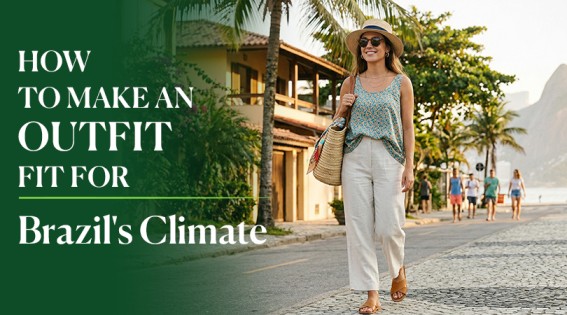
Outfit Example: Brazil-Ready Look
A perfect outfit for Brazil’s climate:
- Linen co-ord set or cotton midi dress
- Open sandals
- Oversized sunglasses + tote bag
- Lightweight shirt layer
👉 This combination balances comfort, style, and practicality.
Why Fabric & Sustainability Matter in Hot Climates
Choosing the right materials isn’t just about comfort—it’s also about sustainability.
- Natural fabrics reduce environmental impact
- Breathable materials improve wearability
- Ethical fashion aligns with conscious travel
👉 That’s why many travelers are shifting toward eco-conscious choices like organic cotton and sustainable brands.
Conclusion
Dressing for Brazil’s climate is about balancing comfort with style.
When you prioritize:
- Breathable fabrics
- Relaxed fits
- Smart layering
You create outfits that don’t just look good—they feel good all day. Because in a tropical climate like Brazil’s,
👉 comfort isn’t optional—it’s the real luxury
FAQ
Wear lightweight, breathable fabrics like cotton or linen, along with loose-fitting clothes to stay cool and comfortable in Brazil’s tropical climate.
Yes, linen is one of the best fabrics for humid climates because it allows airflow, absorbs moisture, and dries quickly.
Light colors like white, beige, and pastels are best because they reflect sunlight and help keep your body cool.
Choose breathable options like sandals, open-toe flats, or lightweight sneakers for maximum comfort.
Carry a compact umbrella and wear quick-dry clothing to stay comfortable during sudden rain showers.
Yes, synthetic fabrics trap heat and moisture, making them uncomfortable in hot and humid conditions.

Sourabh is an SEO Specialist associated with The Sustainable Brands Journal, contributing to the platform’s mission of amplifying sustainability-driven narratives. He specializes in content optimization, search strategy, and organic growth within climate, ESG, and eco-conscious industries.