The Fabric of Change: Why Organic Cotton Apparel is the Future of Fashion
The global fashion landscape is currently at a critical crossroads. For decades, the industry has been dominated by a “take-make-waste” model that prioritizes rapid production and low costs over environmental stability and human welfare. However, as we witness the growing impact of climate change and resource depletion, a new narrative is emerging—one centred on sustainable fashion, eco-friendly clothing, revolutionary lifestyles, and innovative sustainable materials.
At the heart of this transformation is a commitment to shifting toward an eco-conscious and sustainable lifestyle. Central to this shift is the resurgence of high-quality organic cotton apparel sourced through ethical and sustainable means. By choosing garments made from organic fibres, consumers are not merely following a trend; they are participating in a movement that values transparent supply chains, ethical sourcing, and quality-driven fashion consumption over shallow consumption.
The Environmental Imperative: Why Organic Cotton Matters
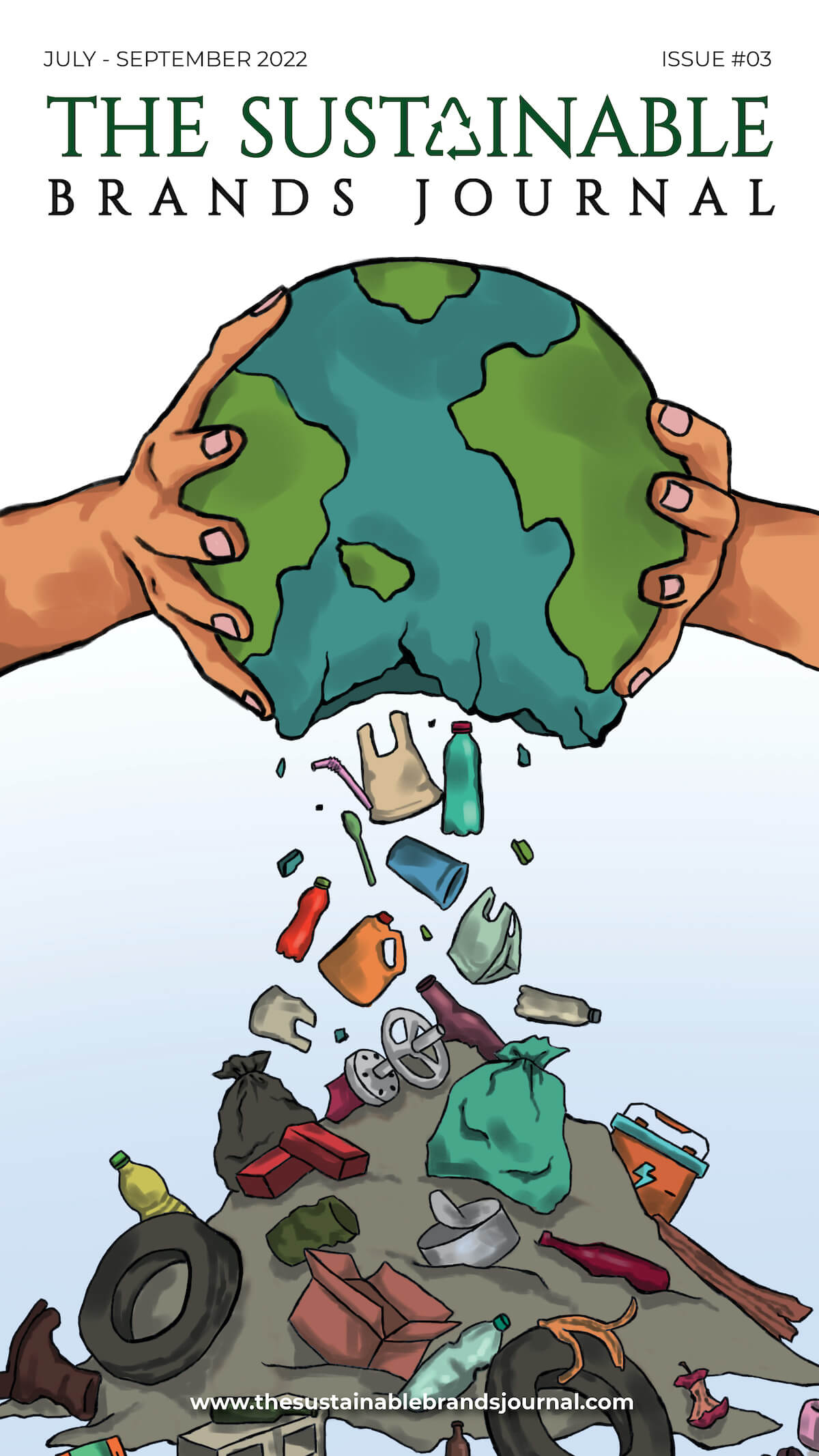
To appreciate the necessity of organic cotton, one must first understand the devastating footprint of its conventional counterpart. Traditional cotton farming is notorious for being one of the most chemically intensive agricultural processes on the planet. It relies heavily on synthetic pesticides and fertilizers that degrade soil health and contaminate local water tables.
In contrast, organic farming represents a “revolutionary lifestyle” for the earth itself. By prohibiting toxic, persistent pesticides, organic agriculture ensures that sustainable farming practices and regenerative agriculture empower the land rather than deplete it.
- Soil Health and Biodiversity: Organic practices focus on building resilient soil through crop rotation and natural composting. This creates a healthy habitat for beneficial insects, fostering a balanced ecosystem and enhancing biodiversity conservation.
- Water Stewardship: Organic cotton apparel is frequently produced using rain-fed crops, significantly reducing the pressure on local water sources in regions prone to scarcity, making it a water-efficient textile choice.
- Climate Mitigation: Healthy, organic soil acts as a powerful carbon sink. By sequestering $CO_2$ from the atmosphere, organic farming plays a direct role in climate action and carbon footprint reduction in the fashion industry.
Navigating Global Textile Standards in Sustainable Fashion
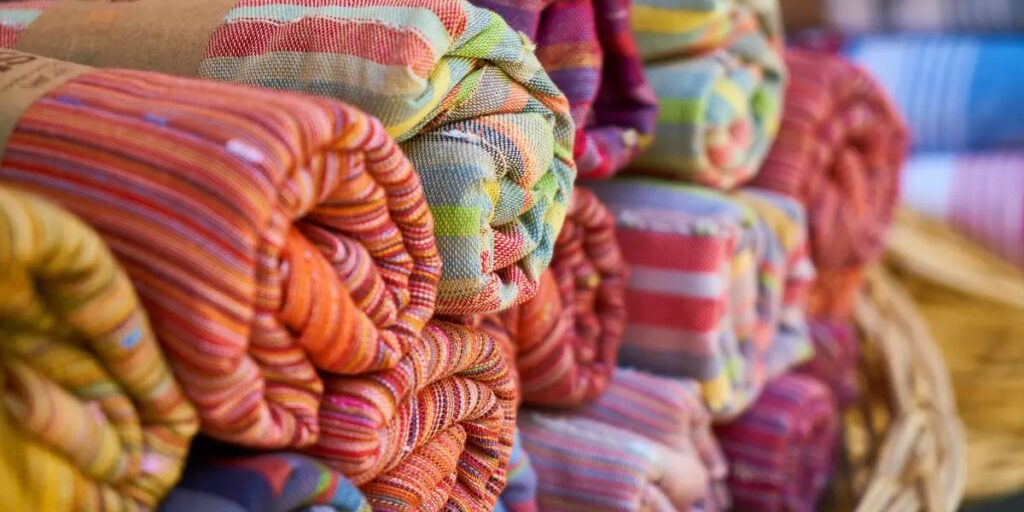
For a consumer to be truly empowered, they must understand the certifications that separate “greenwashing” from genuine impact. Adhering to global textile standards is the only way to ensure that a product’s journey is transparent.
The Global Organic Textile Standard (GOTS) is the worldwide leading textile processing standard for organic fibres, including ecological and social criteria, backed by independent certification of the entire textile supply chain. When you purchase cotton apparel that meets these global textile standards, you are guaranteed that at least 70% (or 95% for the ‘organic’ label) of the fibres are certified organic, and that strict environmental compliance, ethical labour practices, and sustainable production processes were followed during manufacturing.
The Human Element: Social Entrepreneurship and Ethical Labour
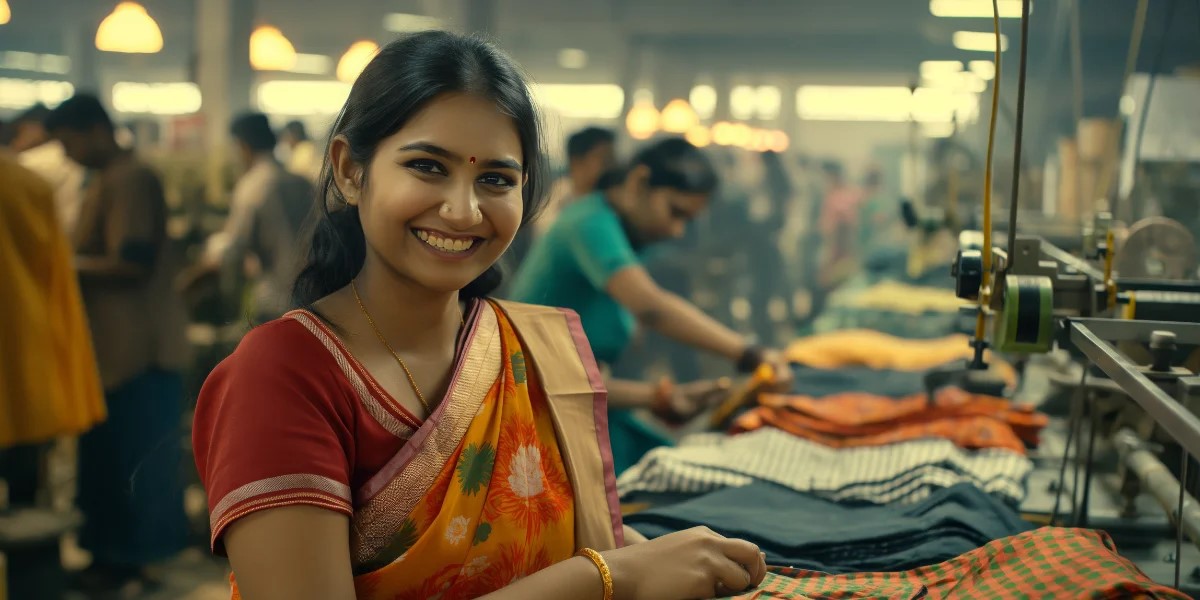
A truly sustainable brand must look beyond materials to the “real impact worldwide” on the people behind the products. The shift toward organic cotton apparel is intrinsically linked to “social entrepreneurship” and the protection of human rights.
In the conventional industry, farmers are often trapped in cycles of debt due to the high cost of synthetic seeds. Transitioning to organic methods empowers these individuals:
- Farmer Safety: Eliminating toxic chemicals immediately improves the health and safety of the farmers and their families.
- Economic Stability: Many organic initiatives are built on fair-trade principles, ensuring workers receive a living wage.
- Community Empowerment: Supporting brands that prioritize Ethical Fashion means investing in “good news” stories where fashion serves as a catalyst for social mobility.
The Slow Fashion Philosophy: Circular Economy in Action
One of the most effective ways to reduce our environmental footprint is to adopt a “revolutionary business model” focused on longevity. Organic cotton apparel is a cornerstone of the Circular Economy, which encourages consumers to buy less but choose better.
Organic cotton fibres are generally more durable than conventional ones because they have not been weakened by harsh chemical processing. This physical durability, combined with timeless design, ensures that a garment remains a staple in a wardrobe for years. This approach stands firmly against “unethical practices” like planned obsolescence and encourages a “genuine mission” of sustainability.
Innovation in the Wardrobe: Green Technology & Future Trends
As we look toward the future, the definition of “good fashion brands” continues to evolve. We are seeing a surge in “innovative sustainable materials” and Green Technology that complement organic cotton, such as recycled fibres and plant-based dyes.
These innovations are not just about the product; they enable a “revolutionary lifestyle.” Consumers are no longer satisfied with “shallow” marketing; they seek “unique and insightful” information about how their clothes are made. This transparency is what builds a “community that deeply cares about substantial topics.”
Sustainable Business Practices: A New Blueprint
Beyond the fabric, Sustainable Business Practices involve looking at the entire lifecycle of a product. This includes:
1. Eco-friendly Innovations in packaging (using biodegradable materials).
2. Renewable Energy use in manufacturing facilities.
3. Conservation Efforts to protect the biodiversity surrounding textile mills.
By demanding that our cotton apparel adhere to the highest global textile standards, we force the industry to move away from destructive habits and toward a restorative future.
Conclusion: Small Acts, Global Impact
The journey toward a more sustainable fashion industry is ongoing, but the path is clear. By choosing organic cotton apparel, we contribute to a world where “small acts change the world.” Every garment we purchase is an opportunity to “create an impact and inspire more” people to consider the stories behind their clothes.
We invite you to join this “platform to share those stories with the world” and embrace a lifestyle where your wardrobe reflects your values. Together, we can ensure that the future of fashion is not just stylish, but ethical, resilient, and truly “good.”
Organic cotton apparel refers to clothing made from cotton grown without synthetic pesticides, fertilizers, or genetically modified seeds. It follows eco-friendly and ethical farming practices that protect both the environment and farmers.
Organic cotton is better because it uses less water, avoids harmful chemicals, improves soil health, and supports biodiversity. It is also safer for farmers and results in more sustainable clothing production.
Organic cotton supports sustainable fashion by reducing environmental impact, promoting ethical labour practices, and aligning with slow fashion and circular economy principles.
You can identify sustainable brands by checking certifications, transparency in sourcing, ethical labour practices, and commitment to eco-friendly materials like organic cotton.