5 Climate Tech Startups to Watch in 2026
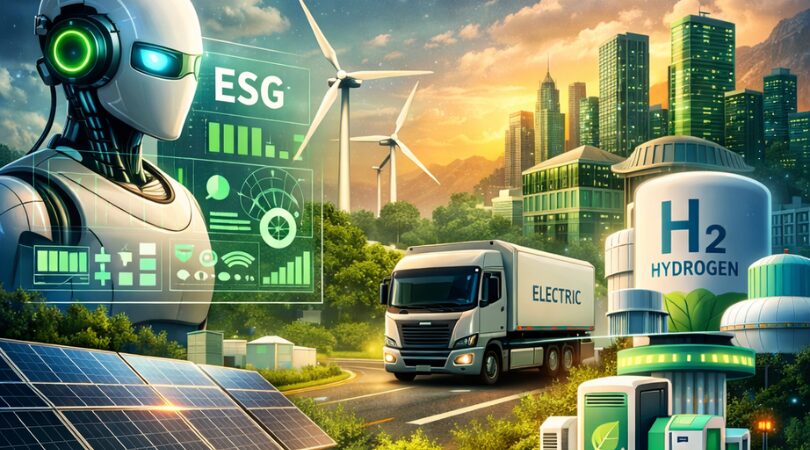
Climate tech is entering a results-driven phase in 2026. From AI-powered ESG compliance platforms to hydrogen energy and electric mobility, climate tech startups are no longer experimental—they are solving real-world sustainability challenges. The startups below stand out for their innovation, scalability, and impact across clean energy, ESG reporting, and emissions reduction.
A decade ago, things took time. Today, technology is supercharging the way we solve problems. Green tech is everywhere now. But now that we have entered 2026, it’s no longer just experimental but is entering a powerful phase. At first, policy and investor pressure pushed it forward, but growing awareness about climate change is now a major driver. Climate tech startups are coming up with bold ideas, from clean energy to smarter ways to cut emissions. These small companies are making a real impact on how we live, work, and power our world. In fact, global investment in climate tech hit over $90 billion in 2025. This goes on to show just how serious everyone is. So, in the article below, we unpack the top green innovation startups to watch in 2026.
Let’s get started.
Why Climate Tech Matters More Than Ever in 2026
A decade ago, climate solutions moved slowly. Today, technology is accelerating how businesses, governments, and cities tackle climate change.
In 2026, climate tech is being driven by:
- Rising climate awareness
- Stricter ESG and sustainability regulations
- Net-zero commitments from enterprises
- Rapid adoption of AI, clean energy, and automation
Climate Tech Startups to Watch in 2026
Earthbot.io – AI-Powered Climate Tech Discovery Platform (Dubai)
Founded: 2023
Region: Middle East (Dubai-based)
Core Focus: Sustainability tools, ESG, net-zero planning
Earthbot.io is a climate tech startup designed to help organizations discover, compare, and adopt sustainability solutions efficiently. The platform brings together tools across renewable energy, biodiversity, ESG, sustainable transport, and building performance.
What sets Earthbot.io apart is its AI-powered chatbot, which recommends the most suitable climate technologies based on project needs.
Key capabilities:
- Carbon tracking and emissions monitoring
- Net-zero project planning
- ESG reporting and dashboards
- Real-time updates aligned with regulations and market standards
Why it matters in 2026:
As sustainability tech grows fragmented, Earthbot.io simplifies decision-making for companies pursuing net-zero and ESG compliance.
2. Sustainfinity – ESG Reporting & Materiality Intelligence (Netherlands)
Founded: 2024
Region: Europe (Netherlands)
Core Focus: ESG reporting, sustainability KPIs
Sustainfinity helps organizations measure, prioritize, and report sustainability efforts with accuracy. Using AI-driven insights, the platform identifies material ESG issues and aligns company goals with global sustainability frameworks.
Key capabilities:
- Automated materiality assessments
- ESG KPI tracking
- AI-generated annual ESG reports
- Alignment with international sustainability standards
Why it matters in 2026:
With ESG disclosures becoming mandatory in many regions, Sustainfinity enables companies to stay compliant while turning sustainability data into strategic insights.
3. Volta Trucks – Zero-Emission Urban Freight Vehicles (Sweden)
Founded: 2019
Region: Europe (Sweden)
Core Focus: Electric commercial vehicles
Volta Trucks designs fully electric trucks built specifically for urban environments. These vehicles aim to reduce emissions while improving safety for pedestrians and cyclists in crowded city centers.
Key highlights:
- Zero tailpipe emissions
- Safety-focused vehicle design
- Optimized for last-mile and city logistics
- Raised $390.9 million in Series C funding
Why it matters in 2026:
As cities push for cleaner transport and low-emission zones, electric freight solutions like Volta Trucks are critical to sustainable urban logistics.
4. Weishi Energy – Hydrogen Fuel Cell Innovation (China)
Founded: China-based
Core Focus: Hydrogen energy & fuel cell technology
Weishi Energy is advancing the hydrogen economy by developing fuel cell engines, hydrogen storage systems, and fuel cell stacks. The company is investing heavily in R&D to make hydrogen energy scalable and commercially viable.
Key highlights:
- Clean hydrogen fuel technologies
- Reduced reliance on fossil fuels
- Strong R&D focus
- Raised $1.5 billion in Series B funding
Why it matters in 2026:
Hydrogen is emerging as a key solution for heavy industry and clean energy storage, and Weishi Energy is positioned to drive large-scale adoption.
5. Redwoods.ai – AI-Driven ESG & Climate Compliance (USA)
Founded: United States
Core Focus: ESG automation & regulatory compliance
Redwoods.ai provides an AI-powered platform that automates ESG reporting, emissions data collection, and climate compliance. It helps companies navigate increasingly complex sustainability regulations with speed and accuracy.
Key capabilities:
- Automated emissions data aggregation
- AI-based sustainability scoring
- Regulatory and investor questionnaire automation
- Structured ESG and climate reports
Why it matters in 2026:
With stricter climate disclosures and audits, automation platforms like Redwoods.ai reduce compliance risk while improving reporting efficiency.
Key Trends Connecting These Climate Tech Startups
Across all five startups, clear trends emerge:
- AI-driven sustainability intelligence
- Automation of ESG and climate reporting
- Clean energy transition (electric & hydrogen)
- Data-backed net-zero decision-making
These trends reflect where climate tech is headed in 2026—toward scalability, accountability, and measurable impact.
Conclusion: The Future of Climate Tech in 2026
These climate tech startups prove that innovation and sustainability can go hand in hand. From AI-powered ESG platforms to hydrogen fuel and electric transport, they are addressing climate challenges with practical, scalable solutions.
As regulations tighten and climate goals become non-negotiable, climate tech will move from a “nice-to-have” to a business essential. And these startups are well-positioned to shape a more sustainable global economy in 2026 and beyond.
Climate tech startups use technology to address climate change by reducing emissions, improving energy efficiency, enabling clean energy, and supporting sustainability goals.
In 2026, climate tech is critical due to stricter ESG regulations, net-zero targets, climate risks, and increased investor focus on sustainable innovation.
Key sectors include clean energy, ESG reporting, electric mobility, hydrogen fuel, AI-powered sustainability tools, and emissions monitoring.

Sourabh is an SEO Specialist associated with The Sustainable Brands Journal, contributing to the platform’s mission of amplifying sustainability-driven narratives. He specializes in content optimization, search strategy, and organic growth within climate, ESG, and eco-conscious industries.