How the UAE Built the World’s Largest Solar-Powered Desalination Plant
The UAE receives less than 100mm of rainfall a year. It has no permanent rivers, no lakes, and no groundwater reserves worth relying on. By most natural measures, it shouldn’t have a stable supply of drinking water at all.
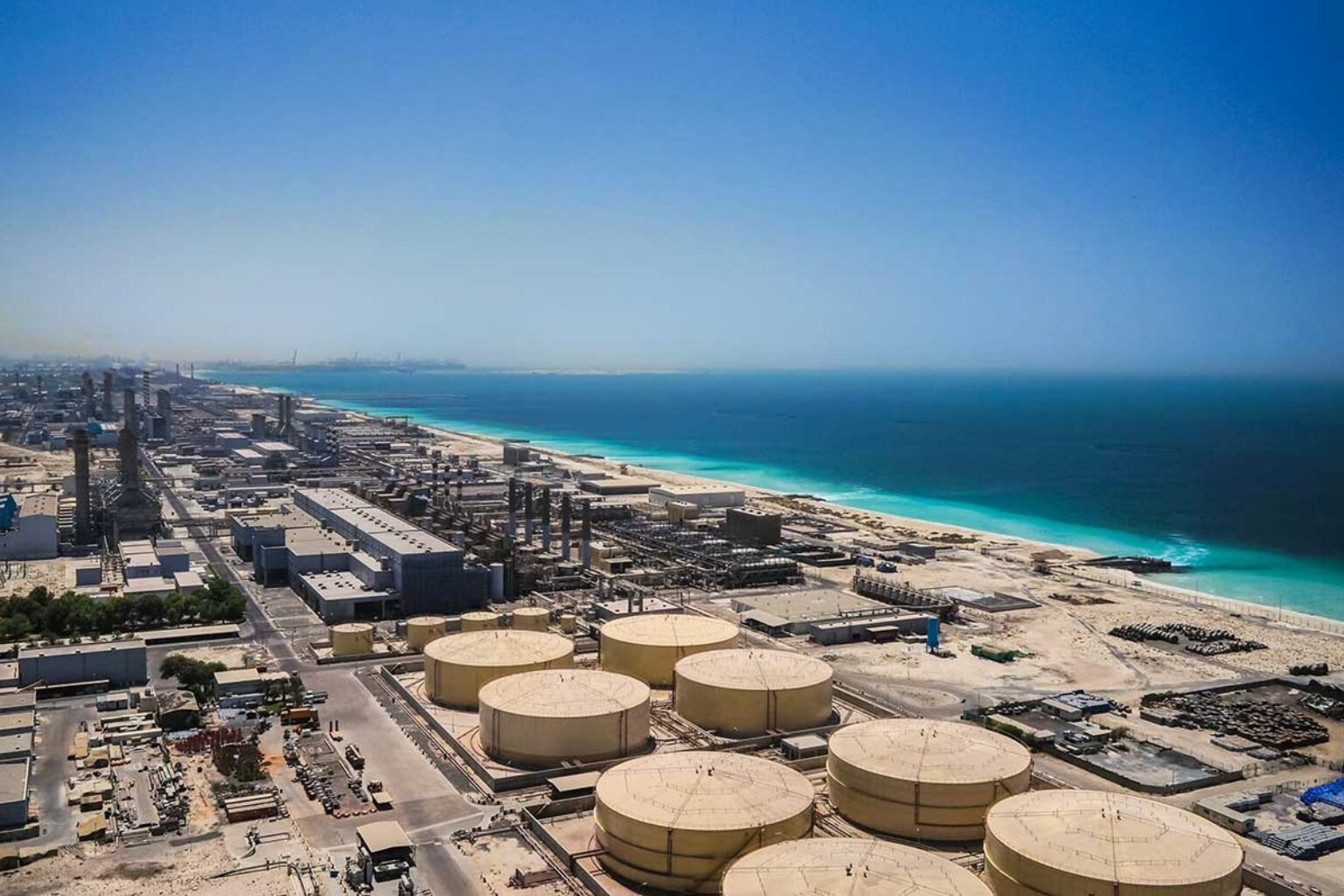
Instead, it has built one of the most advanced desalination industries on the planet — and its newest project is proof of how far that industry has come. When the Hassyan desalination plant in Dubai reaches full capacity, it will be the largest desalination facility in the world powered entirely by solar energy, turning renewable energy UAE ambitions into a working solution for water security.
Inside the Hassyan Project
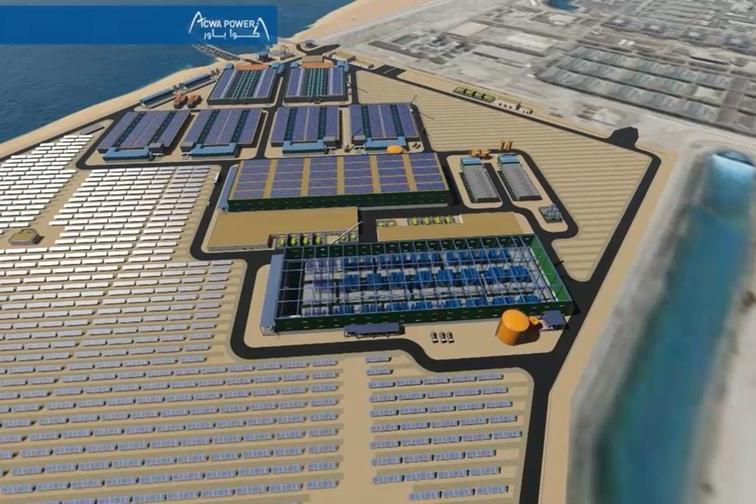
Commissioned by Dubai Electricity and Water Authority (DEWA) and Saudi Arabia’s ACWA Power, the Hassyan plant is designed to produce 818,000 cubic metres of drinking water a day — enough to supply roughly two million people. The project represents a total investment of around €848 million and uses seawater reverse osmosis technology powered by solar electricity rather than fossil fuels.
Construction has progressed in phases, with an initial block already commissioned in early 2026 and the plant scheduled to reach full operating capacity in 2027. Once complete, it will be the second-largest reverse osmosis desalination plant in the world overall, and the largest of any kind running solely on solar power.
This is a meaningful marker for desalination UAE infrastructure specifically. Dubai’s total desalination capacity has been climbing steadily as demand grows, and DEWA has set a public target of producing 100% of the emirate’s desalinated water using clean energy and waste heat by 2030. Hassyan is the clearest evidence yet that the target is achievable at scale.
Exporting the Solution, Not Just the Technology
What makes this story more than a regional infrastructure milestone is what the UAE has done with the expertise behind it. Through the UAE-Caribbean Renewable Energy Fund, the country has already donated solar-powered desalination plants to St. Kitts and Nevis — two water-scarce Caribbean islands facing their own version of the UAE’s original problem.
That donation matters because it reframes the narrative. A nation with almost no natural fresh water didn’t simply solve its own scarcity — it built a transferable model for other water-stressed nations to follow, positioning the UAE as a genuine exporter of climate resilience rather than only a consumer of renewable technology developed elsewhere.
Why This Matters for Brands and Investors
For businesses operating in or entering the UAE, projects like Hassyan are a signal of where national infrastructure priorities sit for the next decade: water security, solar capacity, and export-ready renewable expertise. Brands building sustainability credentials in the region have a genuine, verifiable national story to align with — one grounded in engineering results rather than pledges.
As more Gulf nations face the same water-scarcity pressures the UAE has spent decades solving, expect Hassyan to become a reference case cited well beyond Dubai’s borders.

Prachi, an accomplished Chief-Editor at The Sustainable Brands Journal, has 15+ years of experience in Europe, the Middle East, and India, managing 90+ global sustainable brands. She’s a prolific writer in sustainability, contributing to various publications. Prachi’s unwavering passion and expertise make her a recognized authority, driving positive change and inspiring a sustainable future.